Industry Information
Vision Inspection for Medical Device Components: What to Confirm First
Medical device components are on the brochure's inspection target list - the defect family to specify, the records auditors ask about, and the boundaries to confirm before ordering.
Medical Components Are on the List - on a Named Machine
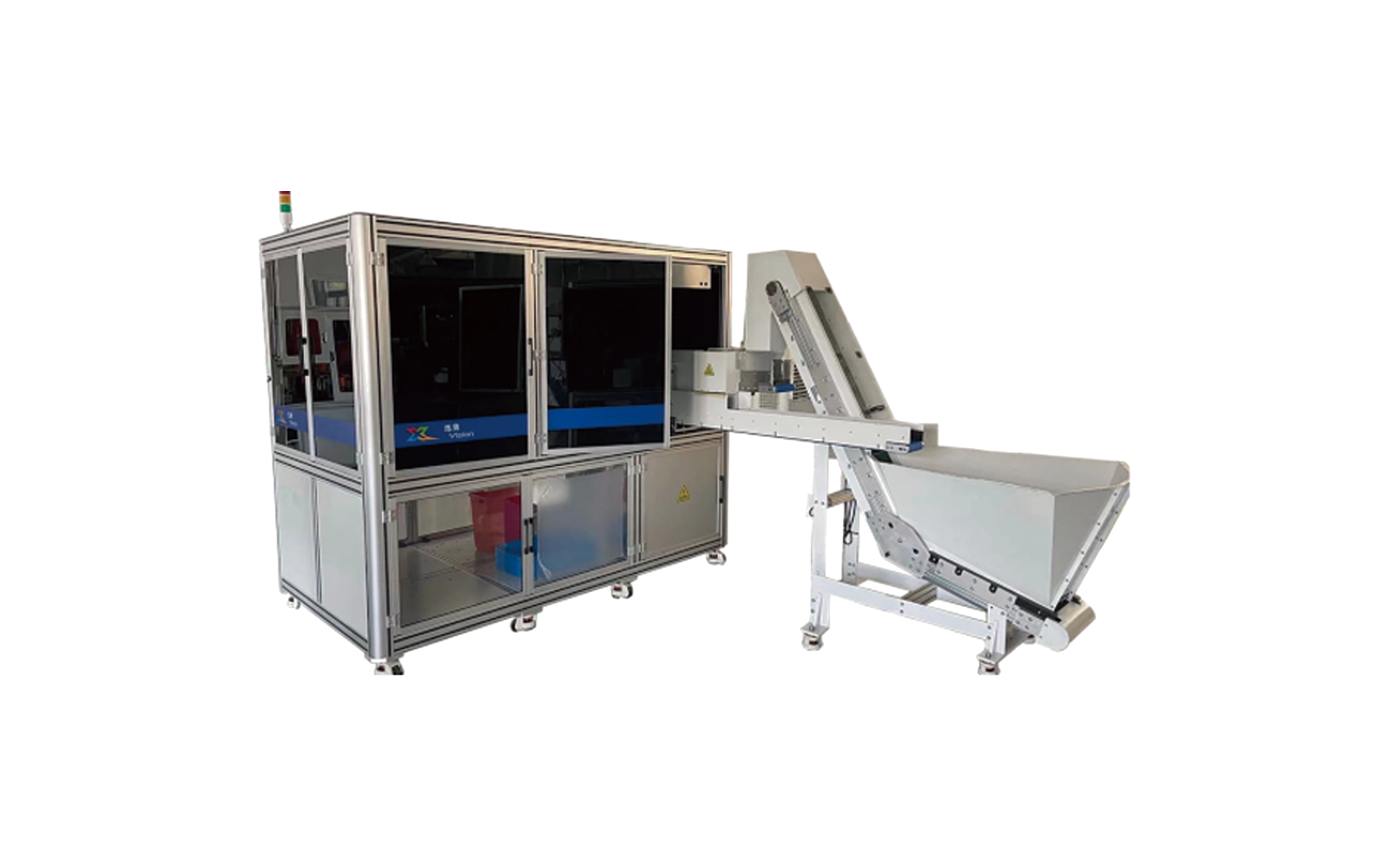
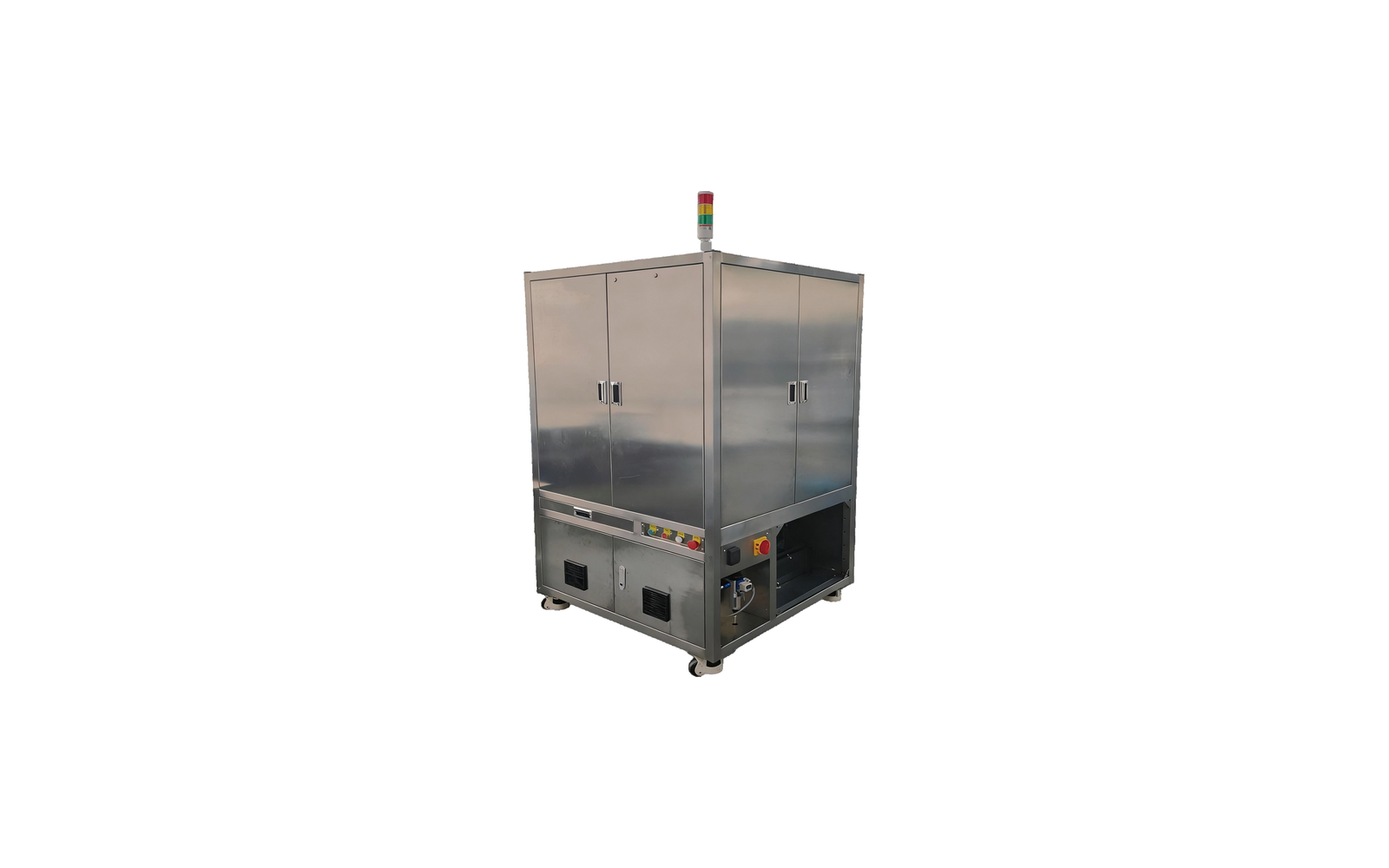
Medical device components - connectors, silicone-molded parts, plastic housings for medical assemblies - are explicitly among the inspection targets in the Shengyi New Material (Huzhou) Co., Ltd. brochure: the HZXX-JC02 food and pharma machine lists medical devices in its target range (the machine is detailed in the JC02 model guide (/posts/hzxx-jc02-food-pharma-model-guide)), and the counting and weighing machine lists medical accessories among its targets. What the brochure does not claim is equally important for medical buyers: it states machine capabilities and food-grade stainless contact materials (GB4806.9-2016 - a food-contact standard, not a medical-grade one), not ISO 13485, FDA or cleanroom certification. Those belong to your process qualification, and this article claims none. Within that boundary, here is what to specify and confirm.
The Defect Family to Specify on Medical Device Components
Medical molded components share the molded-part defect family from the brochure (the full list is in what a food and pharma machine detects (/posts/food-pharma-visual-inspection-machine-what-it-detects)): short shots, pits, blocked holes, cracks, damage, burrs, mold residue, flow marks, impurities, scratches, dents, deformation, flash, discoloration, color variation, material mixing and contamination - plus hair, which the brochure lists specifically for medical device parts. Your specification starts from this family, filtered by what your product and customers actually require, with a marked sample per defect. The writing process is covered in how to define OK/NG defect criteria (/posts/defining-defects-ai-visual-inspection); dimensional checks are confirmed per machine model during configuration.
The Records Auditors Ask About
For medical-component suppliers, the inspection record often matters as much as the inspection itself - customer audits and complaints demand evidence, not recollection. The brochure describes the JC02's process as fully traceable and data-driven: records, images and OK/NG decisions are logged. What that means for your audit file is a set of configuration questions, laid out in vision inspection data traceability (/posts/vision-inspection-data-traceability): retention, export formats, integrity controls, record granularity. Raise them explicitly in the first conversation - and expect the supplier side to provide the record exports and configuration documentation your auditor asks for; that cooperation is part of the configuration, not an afterthought.
Counting and Batch Verification Downstream
Medical kits create a second inspection problem: counting. The brochure's visual counting and weighing machine lists medical accessories among its targets and pairs a camera with a weighing sensor at ±0.03 g - so a kit's piece count and its weight agree before packing (the full explanation is in visual counting and weighing for small parts (/posts/visual-counting-weighing-machine)).
The Boundaries to Confirm Before Ordering
• Compliance: the machine's records support your quality process; they are not an ISO 13485 or FDA certification, and no such claim is made.
• Validation support: ask what documentation the factory provides for your equipment validation - FAT/SAT documents, calibration records and their cycles are ordinary requests to put in writing.
• Cleaning and materials: the JC02's contact parts are food-grade stainless per GB4806.9-2016; for stricter cleaning or documentation requirements, confirm your product range and cleaning process with the engineers - the configuration is matched to your line at quotation.
• What vision cannot check: internal voids under opaque surfaces, residual stress, fit and function are outside camera scope; chemical and microbial testing is a laboratory matter. If your parts need internal inspection, that is a different instrument class.
What to Send for the Sample Test
The published process applies: send samples of good parts and the defects you must catch, with your acceptance thresholds. The factory runs the sample inspection and returns the images and the decision log - a first evidence package for evaluating the machine against your quality standard. Sample quantity, logistics, confidentiality terms and documentation requirements are confirmed when you inquire - state your audit-related requirements explicitly so they are built in, not retrofitted.
Frequently Asked Questions
Does the machine have medical certification?
The brochure claims machine capabilities and food-grade stainless contact materials (GB4806.9-2016); it does not claim ISO 13485, FDA or cleanroom certification, and this article claims none. Medical compliance is your process qualification, for which inspection records are one input.
What part sizes can it inspect?
The JC02's equipment is customized to product size per the brochure - confirm your component dimensions in the configuration discussion rather than assuming a fixed band.
Can it count parts into medical kits?
The counting and weighing machine lists medical accessories among its brochure targets and verifies count against batch weight at ±0.03 g weighing accuracy - the configuration for your kit is confirmed on samples.
Will the records survive our audit?
The brochure states the process is traceable and data-driven with records, images and decisions logged. Whether the records satisfy your specific audit depends on your framework - which is why retention, export and integrity are configuration questions to ask first.
Next Step
Send your medical components with the marked defect list, your acceptance thresholds and your audit requirements for records. The sample test returns inspection images and the decision log - a first evidence package for evaluating the machine against your quality standard. Contact the team (/contact-us) - Monica (+86 138 5726 5705) or Arya (+86 173 2430 9735), or email monica@aivisioncheck.com.