Industry Information
How Many Parts to Inspect: Sampling Plans vs 100% Inspection for Seals
100% inspection or AQL sampling - what each approach means for seal production, how to pick the plan per defect risk, and the honest split between machine checks and sampling.
The Question Behind "How Many Parts Should We Check?"
Between "inspect every seal" and "sample a batch per AQL" sits a real decision that many buyers inherit from their quality system rather than choose deliberately. Inspect everything and the cost scales with volume; sample and a defect can slip into a drum that ships to your customer. This article covers what 100% inspection and sampling plans each mean for seal production, how to pick the plan per defect risk, and the honest split between what a machine checks and what sampling covers. The machines themselves are mapped in choosing an O-ring inspection machine by size (/posts/o-ring-inspection-machine-by-size).
What 100% Inspection Means
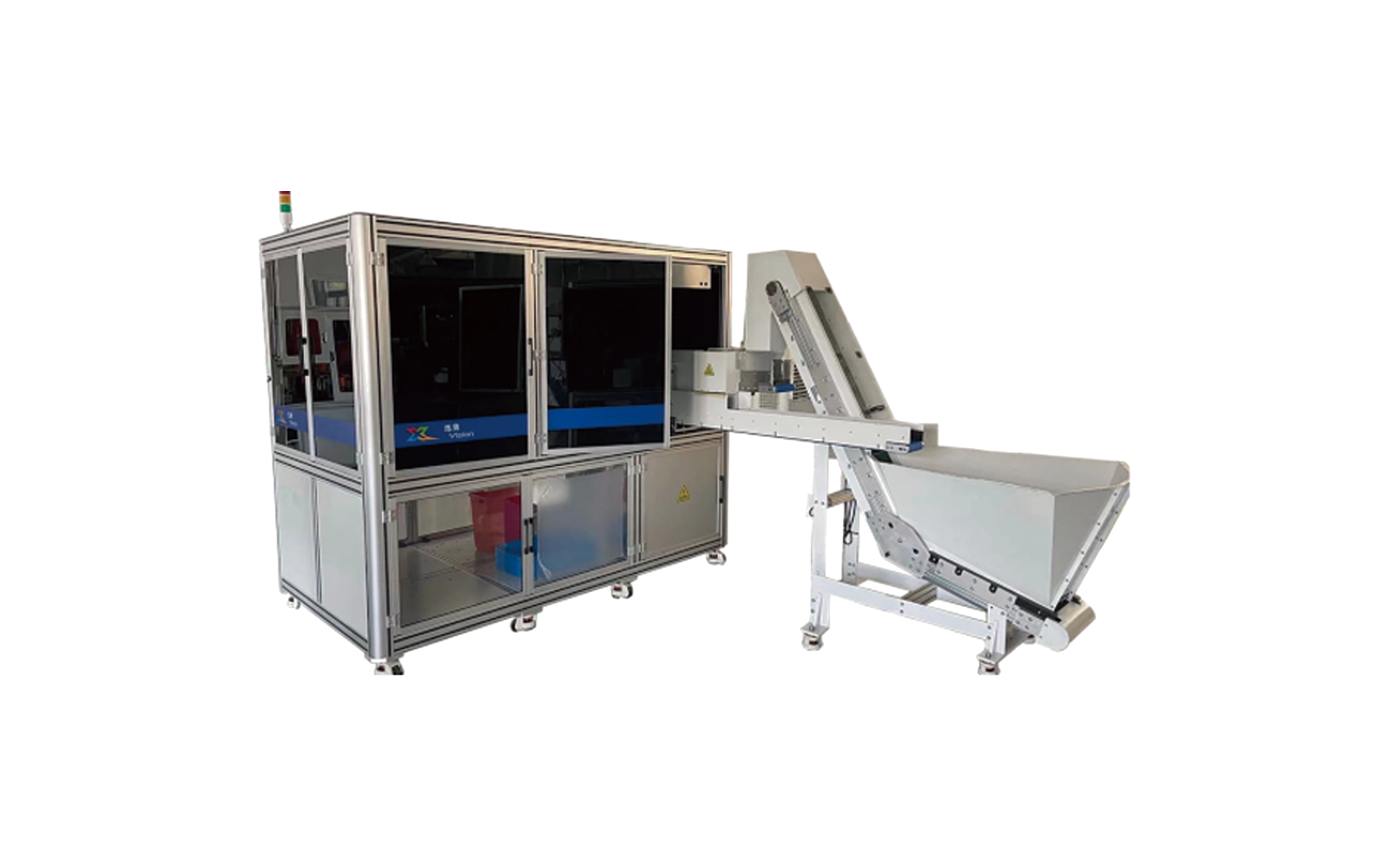
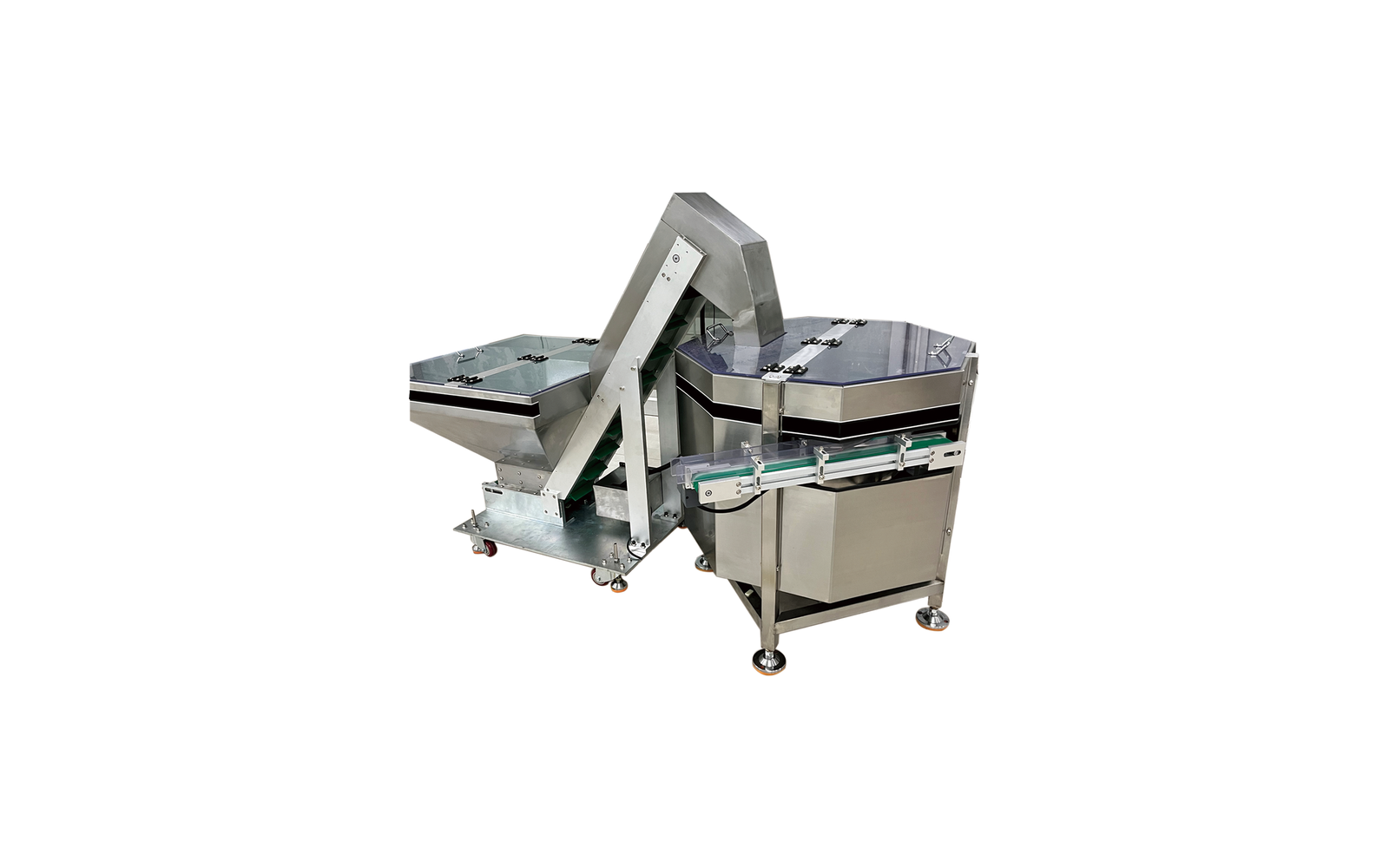
100% inspection means every part passes the camera. Per the brochure, the turntable machines run full appearance and dimensional checks part by part - defects from the listed families (short shots, pits, cracks, burrs, flow marks, contamination and more) are screened for on every part, and the inspection log shows what was found. The cost is structural: the station, the configuration and the running cost all scale with volume. What you buy is every-part screening on the checked families - at production rate.
What Sampling Plans Mean
Sampling means inspecting a defined number of parts from a batch against an acceptance decision - the AQL-style logic many quality systems use. Sampling costs less per batch, but the protection is statistical: a defect can sit in the uninspected share, and the result is a batch decision, not per-part evidence. Sampling plan details (acceptance levels, lot sizes) depend on your quality system and customer requirements.
The Honest Split Between Machine Checks and Sampling
• What the machine checks: the surface and geometry defects in the brochure's listed families, on every part, at production rate - with the inspection logged.
• What sampling covers: batch-level decisions on the inspected share - useful for raw-material verification, low-risk dimensions, and auditing the inspection machine's own output over time.
• The split that plants commonly run: 100% machine inspection on the high-risk dimensions and defect families, sampling on the low-risk rest - with the honest note that a defect outside the trained families or below the detection capability can still pass either way. Whether that split fits your mix is a quality decision on your numbers - not a brochure answer.
The Questions to Ask Before Deciding
1. Which defect families are customer-critical? Those point to 100% machine inspection. 2. Which dimensions feed your squeeze calculation? Those are dimensional-check candidates - the checks are covered in seal dimensional checks: ID, OD and cross-section (/posts/seal-dimension-checks-id-od-cross-section). 3. What does your leak report history look like? Defects in past claims are the specification. 4. What does sampling cover on your current plan, and what slips between samples? 5. What record granularity does your audit need? Per-part versus batch-level logging is a configuration question - confirm it explicitly. 6. What per-contract sampling plan does your customer require? AQL levels are a per-contract question - this site does not state them.
When 100% Inspection Is the Right Answer
100% machine inspection earns its cost where the risk is concentrated: defect families that your customer audits, dimensions that feed safety-critical assemblies, and seal sizes with a history of claims. Where the risk is thin and the volume is low, the sampling plan already covers it - and a station rated in the hundreds of pcs/min would sit underused on the floor. The risk ranking is yours to make; the machine's role in it is what the sample test clarifies.
What the Sample Test Confirms
Before any of this, the sample test demonstrates detection on your parts: which defective samples were caught, which good and borderline parts passed, and where the decision line sits. It cannot predict false-reject behavior on variations that were not in the test package - which is why the borderline and multi-lot samples matter. How the sample run works end to end is covered in the sample test walkthrough (/posts/vision-inspection-sample-test).
Frequently Asked Questions
Is 100% inspection always better than sampling?
Not automatically. 100% scales cost with volume; sampling scales with batches. The right plan depends on which defect families are customer-critical and what your current sampling leaves uncovered.
What is AQL?
Acceptance Quality Limit - a sampling-plan parameter defined in standards such as ISO 2859-1 and ANSI/ASQ Z1.4. The details are a per-contract question between you and your customer.
Can the machine handle 100% on all my defect families?
It handles the surface and geometry families in the brochure's lists, per the rules you define. Material-level checks and lab tests remain outside camera scope.
When is 100% inspection the right answer?
Where the defect families are customer-critical and the volume supports the station - the risk ranking is yours to make on your numbers.
Do we still need sampling if we install a machine?
Many plants run both: machine inspection on the critical families and dimensions, sampling on the low-risk rest. Whether that split fits your mix is a quality decision on your numbers.
Next Step
Build the comparison grid - defect families per risk level, dimensions per tolerance, and your current sampling coverage - then send your seals with the defect list. The sample test returns the images and decision log showing what the machine catches on your parts. Contact the team (/contact-us) - Monica (+86 138 5726 5705) or Arya (+86 173 2430 9735), or email monica@aivisioncheck.com.