Industry Information
Choosing the Feeder: The Five Loading Options on Vision Inspection Machines
Elevator, vibratory bowl, centrifugal feeder, robot arm or push-bar - how the five brochure feeding options differ, and why the feeder is decided by your part, not the catalog.
The First Configuration Decision Most Buyers Skip
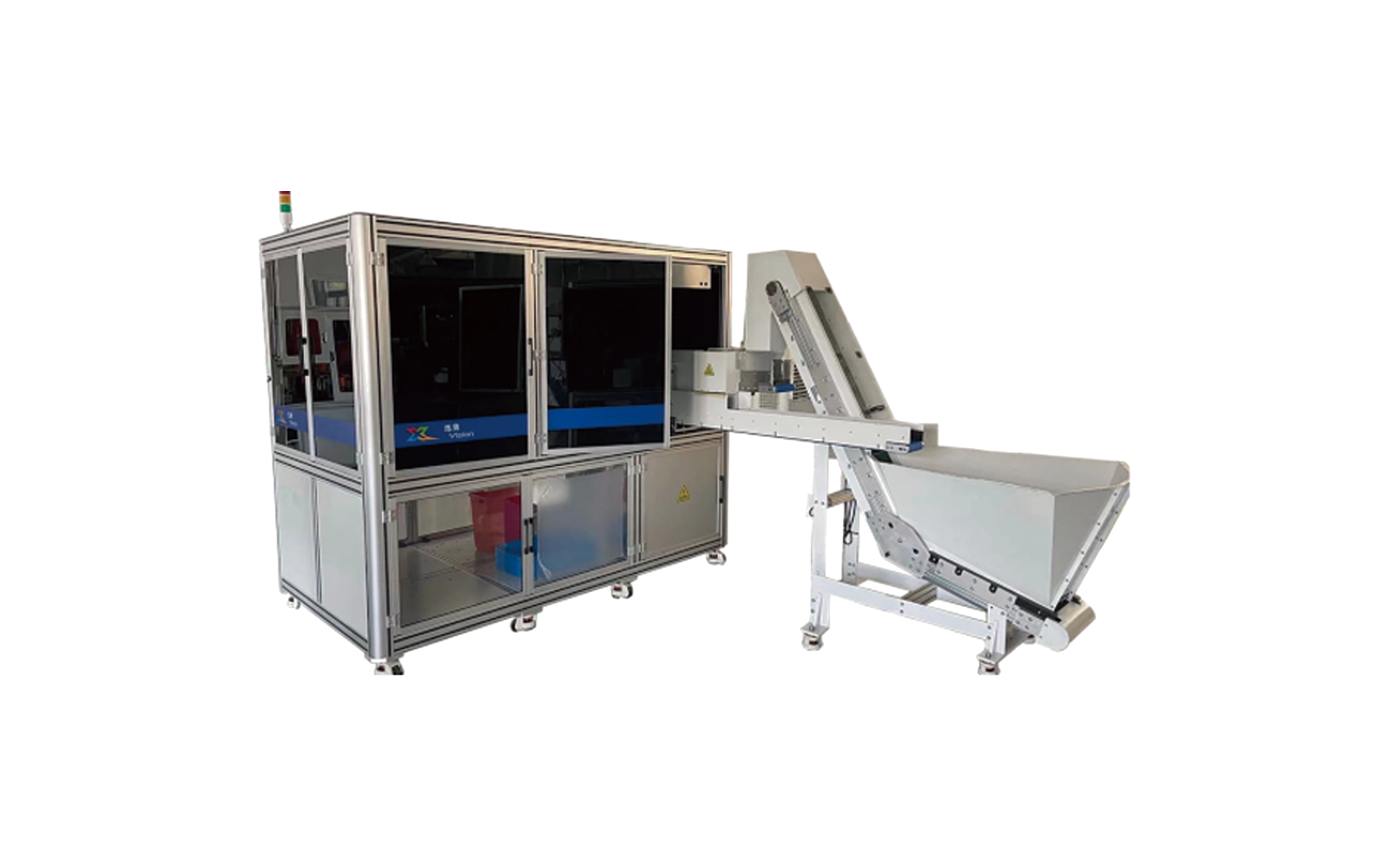
When buyers compare vision inspection machines, the conversation jumps to cameras and accuracy - yet the first thing the part actually touches is the feeder - Step 1 in how a vision inspection machine works (/posts/how-vision-inspection-machines-work). The brochure lists five feeding options on the standard turntable machine: elevator, vibratory bowl, centrifugal feeder, robot arm and push-bar feeder. Which one fits is decided by your part - its size, shape, weight, surface sensitivity and how gently it must be treated - and it is confirmed on your parts during the sample test, not chosen from a catalog. This article walks through the five options as buying questions, so you can arrive at the configuration discussion with a view.
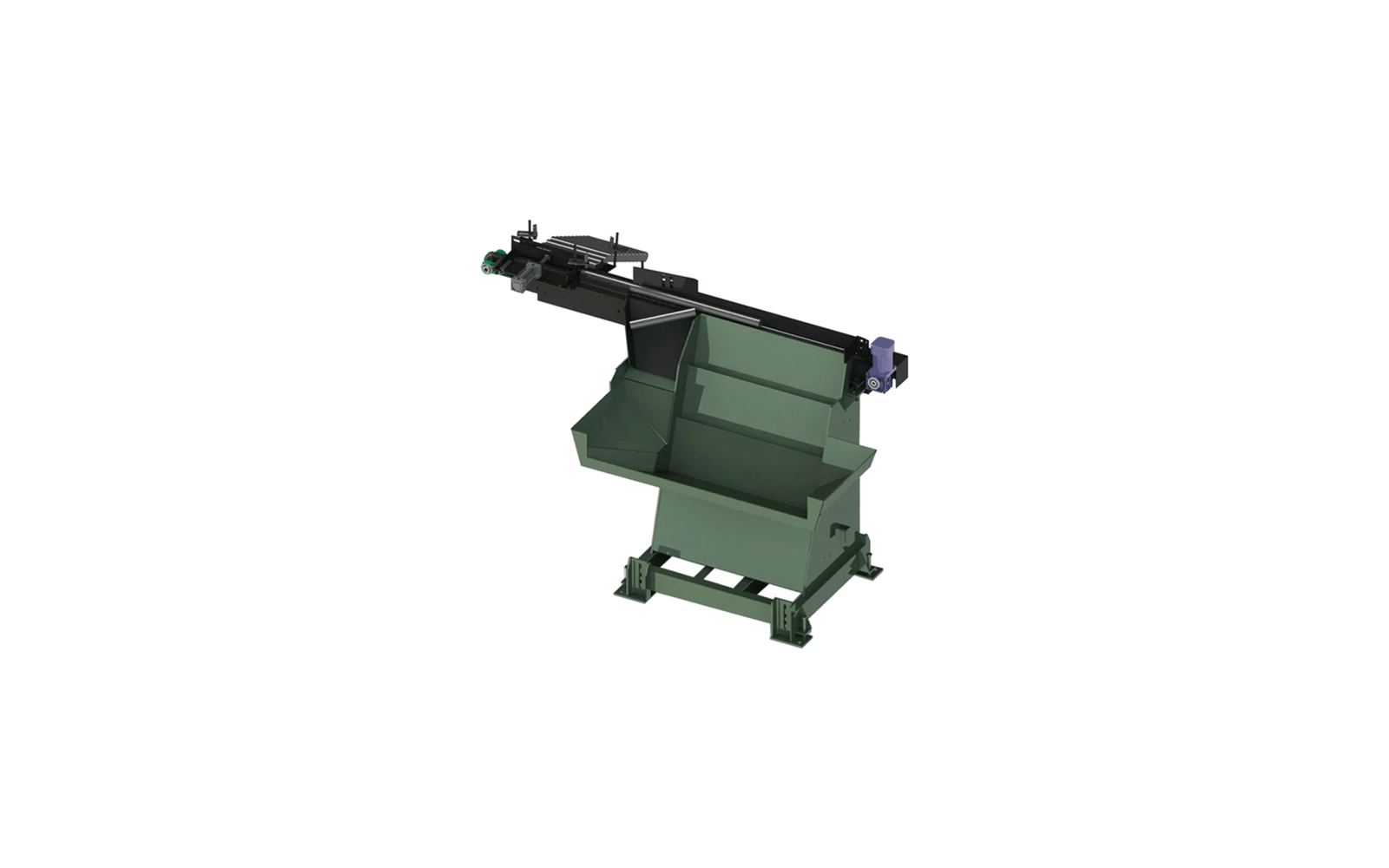
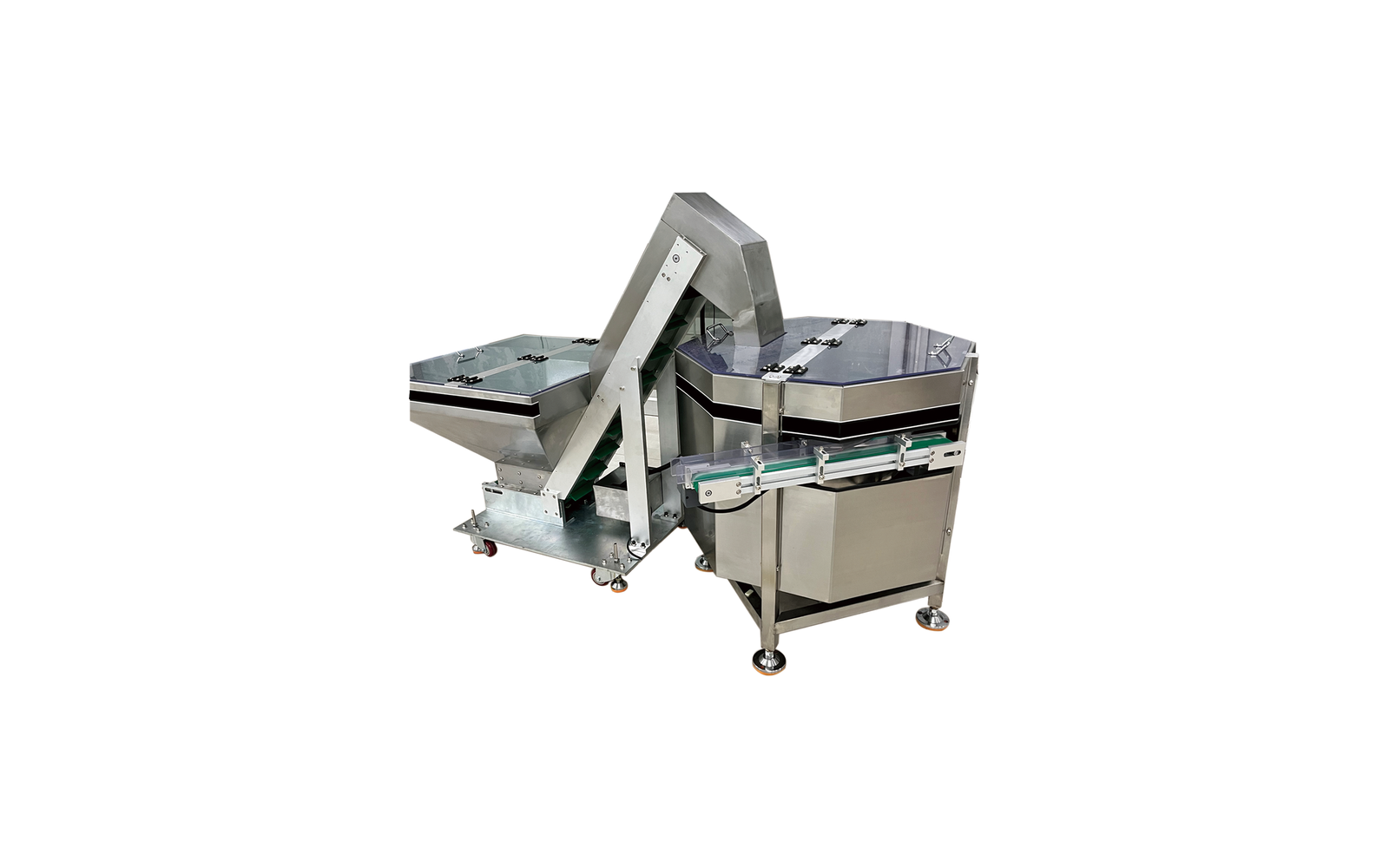
The Five Feeder Types, as Buying Questions
• Elevator feeder: parts are carried up in bulk and metered out. The buying question: can your parts tumble against each other without marking? Bulk-fed metal parts with a sensitive finish may need a different answer.
• Vibratory bowl: parts orient themselves along a vibrating spiral track. The buying questions: will your parts orient predictably, and will the vibration mark a precision surface? Soft or coated parts are the ones to test.
• Centrifugal feeder: parts are flung to the bowl rim by rotation and feed rim-first. The buying questions: are your parts round enough to ride the bowl, and robust enough for the speed?
• Robot arm: parts are picked and placed individually. The buying question: are your parts too delicate, too large or too valuable for bulk feeding at all? Individual handling trades rate for gentleness - the tensile ring machines in the same line are built around individual ring handling for 300-1000 mm rings (manual loading standard, robot feeding customizable - see the ultra-large ring machine (/posts/large-o-ring-inspection-machine)).
• Push-bar feeder: parts are advanced by a pushing element along a guide. The buying questions: does your part have a stable pushing face, and does the guide contact surface matter to your finish?
Two honest notes: the brochure lists the five options without per-type part rules, so the mapping above is the general conveying reasoning to bring to the discussion, not a specification; and whichever feeder is proposed, the sample test on your actual parts is where the marking, orientation and rate questions get answered - the same parts-and-defects package described in the quote preparation checklist (/posts/vision-inspection-machine-quote-checklist).
How the Feeder Connects to Everything Else on the Sheet
• Machine selection: feeding sits inside the machine's size band and target list. A part outside the band is a different machine question - the size-based map is in choosing an O-ring inspection machine by size (/posts/o-ring-inspection-machine-by-size).
• Changeover: on multi-SKU lines the feeder is the main physical change between part families - what swaps, what is stored and recalled, and how long it takes are the changeover questions covered in changeover on vision inspection machines (/posts/vision-inspection-machine-changeover).
• Rate: the brochure's throughput figures carry feeding in their conditions (for example, 120-840 pcs/min depending on product size, actual feeding and/or number of cameras). Your confirmed rate is measured with the chosen feeder on your parts.
• Handling risk: for parts with sealing lips, polished faces or coatings, feeder contact is a defect risk in itself - name the surfaces that must not be touched and let the configuration respect them.
What to Prepare for the Feeder Discussion
Bring the parts, not just the drawings: a handful of good parts and the delicate or awkward ones, at the extremes of your size range. State which surfaces must not be marked - and write that requirement into the sample-test acceptance criteria, so the returned parts are checked against it. State your rate target. And if you run multiple part numbers, bring the full list - the feeder question multiplies with every family, as the changeover guide explains.
Frequently Asked Questions
Vibratory bowl or centrifugal feeder - which suits my part?
As general practice: a vibratory bowl suits parts that orient predictably along a track and tolerate vibration; a centrifugal feeder suits rounder, sturdier parts that feed well at rim speed. Which one suits your finish and geometry is shown on your samples.
Which feeder is the standard one?
The brochure lists all five options on the standard machine without naming a default - the feeder follows the part, and the configuration discussion with your samples settles it.
Can the feeder mark my parts?
Any bulk-feeding method touches parts; whether that marks yours is exactly what the sample test shows. Name the sensitive surfaces and watch the returned parts and images for feeder contact.
My parts are too delicate for bulk feeding - what then?
Individual handling options (such as a robot arm) trade rate for gentleness; the large-ring machines in the same line apply the same logic. Delicate parts are a configuration driver, not a disqualification - send them for the test.
Is the feeder included in the machine price?
The feeder is part of the configuration, and the price follows the configuration - the factors are laid out in vision inspection machine cost: 7 price factors (/posts/vision-inspection-machine-cost-7-price-factors).
Next Step
Send your parts - including the most delicate and the largest - with your rate target and a note on which surfaces must not be marked. The sample run confirms the feeder, the rate and the detection configuration together. Contact the team (/contact-us) - Monica (+86 138 5726 5705) or Arya (+86 173 2430 9735), or email monica@aivisioncheck.com.