Oct 27, 2026Industry Information
China Manufacturer vs Local Integrator for Vision Inspection
Two ways to buy a vision inspection machine - direct from the factory that builds it, or through a local integrator - what each route changes, and what to confirm on either path.
Two Routes to the Same Vision Inspection Machine
Buyers in Europe and North America usually meet vision inspection through a local integrator: a domestic company that selects cameras and software, builds the inspection station, installs it and supports it. There is a second route that fewer buyers consider at the research stage - buying direct from the manufacturer that builds vision inspection machines as a product line, in China. Both routes can deliver a working inspection station; they differ in what you buy, who assembles it, where customization happens, and what support looks like day to day. This article compares the two routes for turnkey inspection machines - the feeding-to-sorting type covered across this site - without pretending either is automatically the better deal.
What a Local Vision Inspection Integrator Provides
A local integrator sells you a solution: they specify components, integrate them into a machine or cell, program the inspection logic, install it on your floor and remain your first support call. The strengths are proximity and accountability - one contract, one language, one company on site when something breaks. The trade-offs sit underneath: the project runs on the integrator's engineering hours, the machine's core (cameras, software) may be assembled from third-party components sized to your project, and a one-off build means its long-term behavior depends on the documentation and parts the integrator left behind.
Buying Direct from a Vision Inspection Machine Manufacturer in China
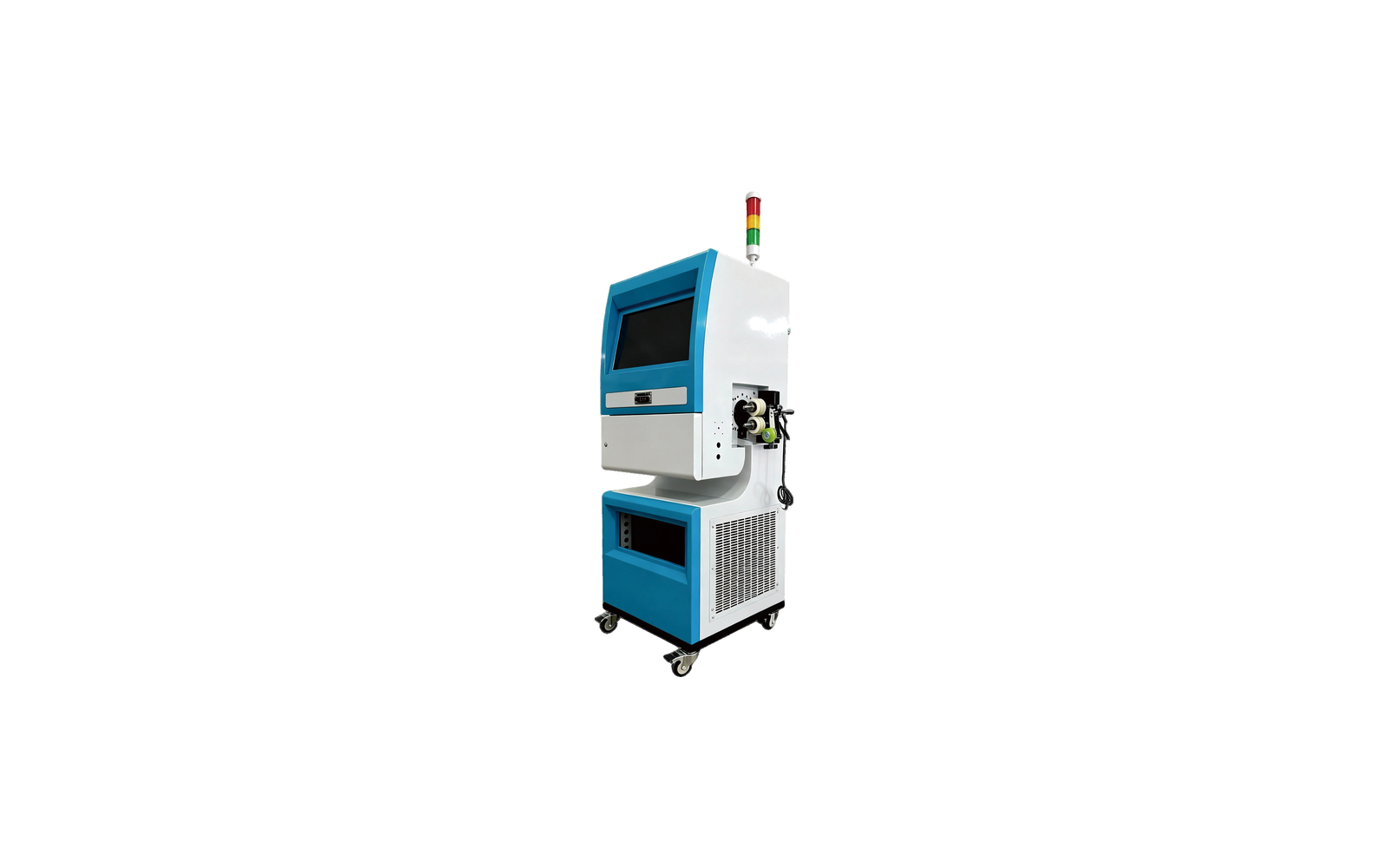
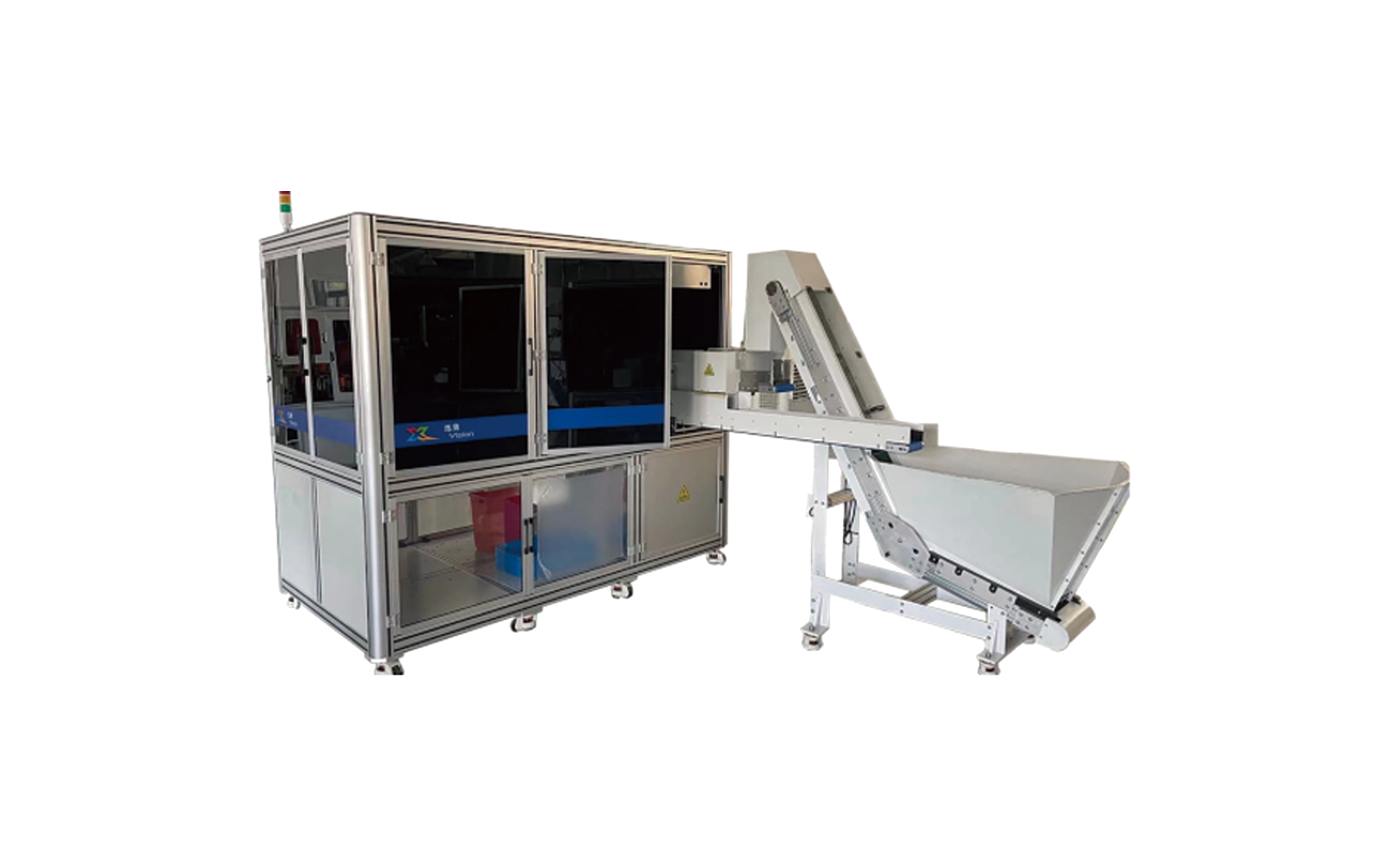
A manufacturer that builds inspection machines as a product line sells you a configured machine: the mechanical platform, feeding, cameras, software and sorting are the factory's own standard design, customized to your part rather than engineered from zero. Shengyi New Material (Huzhou) Co., Ltd. is this kind of supplier - per the company brochure, founded in 2010, with 46 patents, 18 software copyrights, more than 150 staff and 24-hour service. The machines on this site - turntable lines, compression, tensile, food-grade - are product models with published specifications, configured per product at quotation. What this route changes, and its own trade-offs:
• The machine is a proven model configured to your part, not a one-off build - its behavior on your part family is demonstrated in the sample test before you order.
• Specification clarity: published parameters (camera counts, size ranges, repeatability, rates with their conditions) are set by the factory, so you can compare models before committing.
• Customization happens at the factory where the machine is built - feeding options, turntable sizes and size ranges are factory customization items, defined before shipment.
• Support crosses a border: the factory's 24-hour service is the starting point, but remote-first support, installation logistics and travel arrangements for commissioning are exactly the items to pin down in writing - they are the structural trade of this route, and the questions below cover them.
Questions to Ask a Vision Inspection Machine Supplier - or an Integrator
Whichever route you lean toward, these questions separate the two routes in practice:
1. Who owns the inspection criteria? Your defect list and acceptance thresholds drive configuration on either route - confirm who translates them into the machine's settings, and how changes are handled later. 2. What happens on a defect escape after installation? Ask both routes the same question: what data does the machine give you to investigate - per the record-keeping described in vision inspection data traceability (/posts/vision-inspection-data-traceability)? 3. What does a service call look like? Remote diagnosis, response time, and whether a technician boards a plane or a train - ask for the concrete arrangement, in writing, on either route. 4. Compliance documents for your market: which documents - CE marking, declaration of conformity, electrical standards - come from the machine maker, and who is responsible for meeting local requirements at installation? 5. Installation and acceptance: who commissions the machine on your floor, what does acceptance (FAT/SAT) look like, and how are travel and accommodation handled? 6. Spare parts: cameras, lighting, feeding components - who stocks them, and at what replacement logic? 7. What is demonstrable before you pay? The factory route's answer is the sample test: your parts run on the machine type, and the images and decision log come back. Ask the integrator route for the equivalent evidence on your parts. 8. Total scope: feeding integration into your line, training, documentation language - confirm what is included and what is extra, per route.
What Does Not Differ Between the Routes
Some things buyers assume differ but should not: a serious supplier on either route configures around your defect list, proves detection on samples rather than promises, and publishes or explains its machine's real limits. And some weaknesses are route-independent: no supplier's repeatability figure is a detection-rate promise, and no inspection machine - integrated or factory-built - checks what cameras cannot see. If a quote from either route arrives without a configuration discussion behind it, weigh it the same way: as a number without a configuration.
Which Route Fits Which Buyer
• If your part is a standard shape the factory line already covers - O-rings, seals, nuts, molded parts, food products - buying direct from the manufacturer gets you a configured model with published specifications and a sample-test proof, without paying for custom engineering hours on a configuration the factory has already solved. The machine families are mapped in choosing an O-ring inspection machine by size (/posts/o-ring-inspection-machine-by-size) and the general line in how a vision inspection machine works (/posts/how-vision-inspection-machines-work).
• If your need sits outside any product line - a special station combining processes no factory models cover - a local integrator's project engineering may be the better fit, and the factory route can still supply the core machine; the two routes are not mutually exclusive.
• If procurement rules require a local contract partner, ask the manufacturer about distribution in your market before assuming the route is closed.
• Once you order direct, the steps from order to installation - production, packing, shipping and documents - are covered in buying an inspection machine from China: what to expect (/posts/buying-inspection-machine-from-china-what-to-expect).
Frequently Asked Questions
What is the difference between a vision inspection machine manufacturer and a system integrator?
A manufacturer builds inspection machines as products - a standard platform configured to your part. An integrator engineers a solution around your project, often from third-party components. Both can deliver a working station; they differ in what is standardized, where customization happens, and who supports what.
Is it cheaper to buy direct from a China manufacturer?
Costs depend on project scope on both routes, so no honest article can promise which is cheaper for your project. What the direct route changes structurally: you buy a configured standard model instead of engineering hours around a one-off build, and the configuration is proven on samples at quotation.
Who handles service and spare parts if we buy direct?
Ask for it in writing - response arrangement, remote diagnosis, and which spare parts are stocked where. The brochure behind this site states 24-hour service; what that means for your location is exactly what the route checklist above tells you to pin down.
Can we use both routes?
Yes. A common combination is a factory-built core machine with a local partner handling installation and first-line service - ask each side what they include, and put the boundary in the contract.
Next Step
Send your parts and defect list, and we will tell you whether they fit our machine line - and if they do not, what to ask whoever you buy from. The sample test returns the images and decision log from your actual parts. Contact the team (/contact-us) - Monica (+86 138 5726 5705) or Arya (+86 173 2430 9735), or email monica@aivisioncheck.com.