Oct 26, 2026Industry Information
Vision Inspection Data Traceability: What to Ask Before an Audit
What vision inspection traceability means - logged records, images and OK/NG decisions - why audits and customer complaints need it, what it does not prove, and the questions to ask.
Why the Audit Question Comes Up
If your customer is an automotive supplier or a medical device manufacturer, you will eventually be asked a question manual inspection cannot answer: "show me the inspection records for this batch." A sorter's memory is not a record. When a customer complaint arrives months later, "we inspected everything by hand" is an answer without evidence - no image of the part, no decision log, no proof of which rule was applied. This is often the quiet reason plants start looking at vision inspection machines: not speed, but the audit trail. This article explains what vision inspection data traceability includes per the machine brochure, what it gives you in practice, what it does not prove, and what to ask before you buy.
What the Machine Logs Per the Brochure
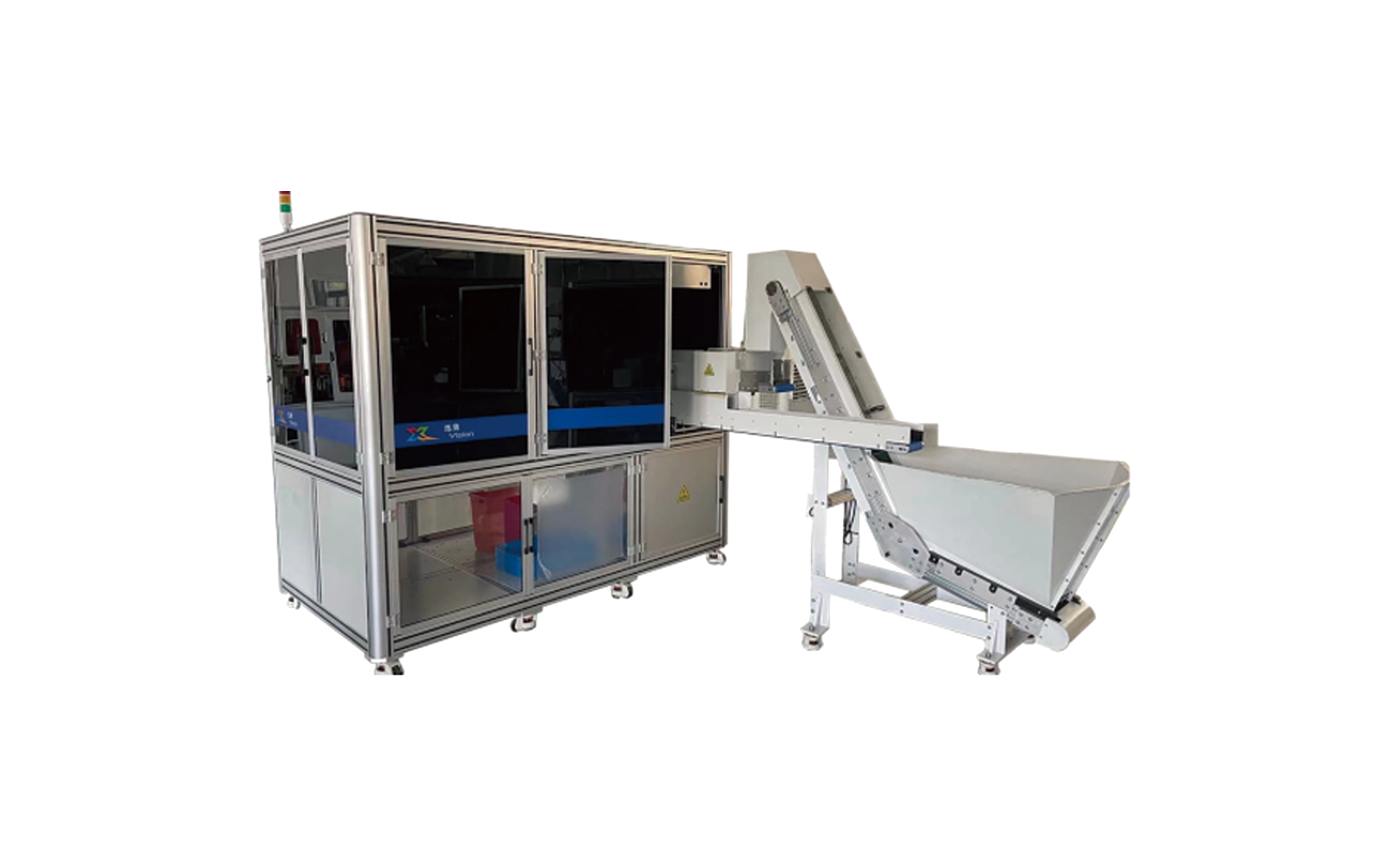
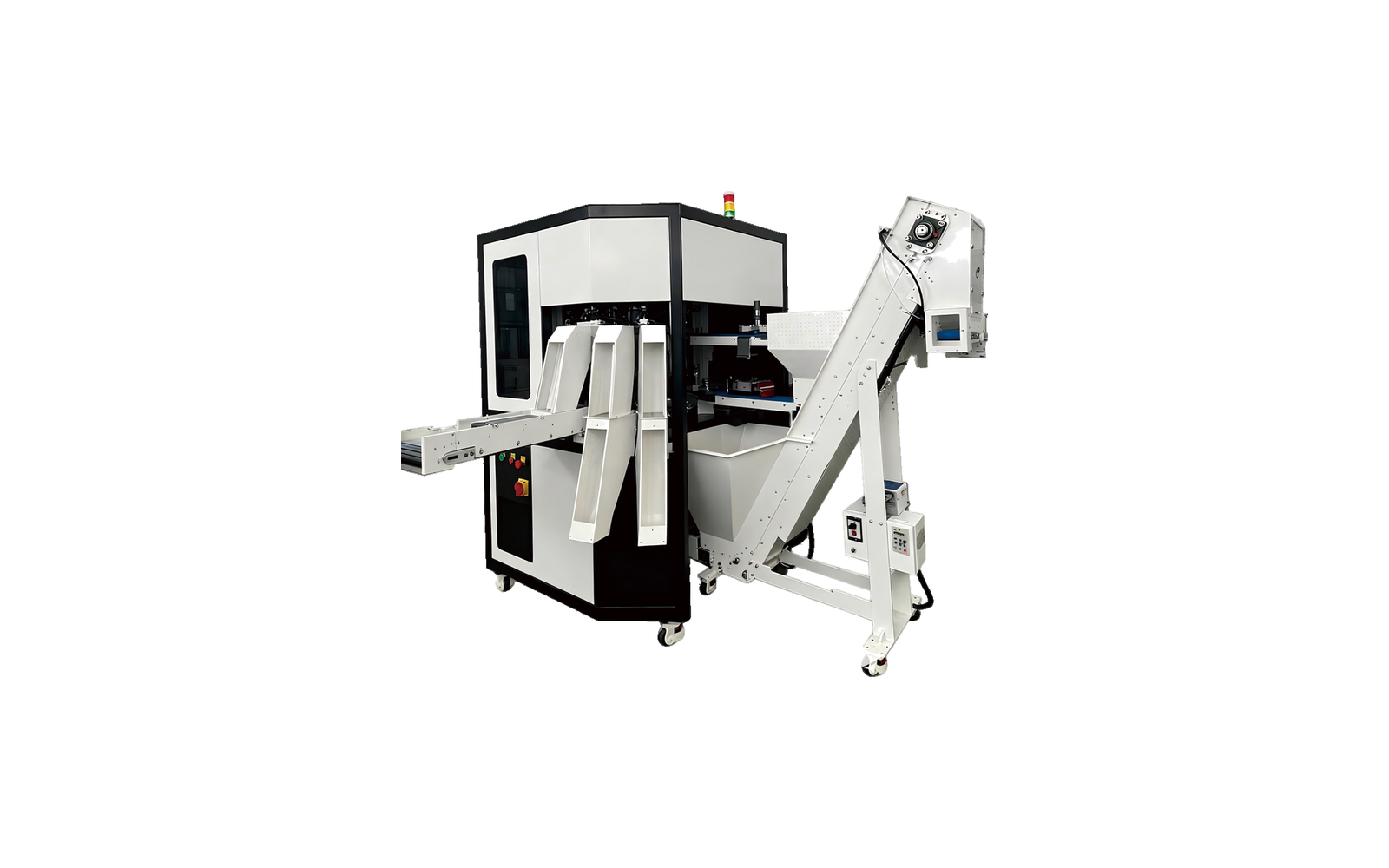
The Shengyi New Material (Huzhou) Co., Ltd. machine line describes its inspection process as traceable in several places: the food and pharma machine's features list "full process traceability, data-driven"; the HZXX-JC04 compression inspection machine lists "traceable detection data with visualized monitoring"; the wire and tube machine lists data-based quality control. In concrete terms, the brochure's wording comes down to three things being logged: the inspection record, the image, and the OK/NG decision. Whether the record is per part with its image - rather than batch summaries only - is one of the configuration questions below, not a brochure claim. The full flow from feeding to that decision is covered in how a vision inspection machine works (/posts/how-vision-inspection-machines-work).
What Inspection Data Traceability Gives You in Practice
• Complaint investigation: when a customer returns a part, you look for its record - the image of the actual part and the decision the machine made - instead of reconstructing history from shift reports.
• Batch-level review: because results are logged, you can review a batch as data rather than a sampled stack of paper.
• Evidence of enforced rules: the log shows the machine applied the acceptance thresholds you set, not a judgment that drifted over a shift. If you have not yet turned "defective" into specific rules, start with how to define OK/NG defect criteria (/posts/defining-defects-ai-visual-inspection).
Traceability Across the Machine Line
The feature appears across machine types, not only on one model - which matters if your line uses several stations, since it affects which stations log what and how records align across them (the station trade-off itself is explained in incoming inspection vs in-line inspection (/posts/incoming-inspection-vs-inline-inspection)). On the food and pharma machine, traceability sits alongside the food-grade contact materials - see the HZXX-JC02 model guide (/posts/hzxx-jc02-food-pharma-model-guide); on the compression machine, it pairs with visualized monitoring so supervisors can watch decisions live - see HZXX-JC04 latent crack detection (/posts/hzxx-jc04-extrusion-inspection). If traceability is your driver, say so early in the configuration discussion.
What Traceability Is Not
An honest boundary: a traceable inspection record is evidence of what the machine did. It is not a quality certification, and it does not make your line or your supplier compliant with ISO 13485, FDA or any other regulatory framework - compliance is your process qualification, of which inspection records are one input. The brochure claims traceability of inspection data; it does not claim regulatory compliance, and neither does this article.
What to Ask a Supplier About the Data
The brochure does not answer these questions, so ask them during configuration - they decide how usable the audit trail actually is:
1. Record granularity: is the record per part with its image, or batch summaries only? 2. Retention and storage: how long are records kept, where do they live (machine, local server, yours), and what happens when storage fills - is the overwrite policy one your auditor accepts? 3. Export: in what format can records, images and decisions be exported for your quality system? 4. Integration: the brochure's control system lists IO cards, control cards, serial and PLC connectivity with an emphasis on compatibility - ask to have the logging integration confirmed during configuration. 5. Data integrity: can records be edited or deleted, and does a deletion itself leave a trace? Are records timestamped, and is the clock operator-adjustable? 6. Rule-change history: when OK/NG thresholds change, is the change recorded - who, what, when? 7. Access roles: can an auditor get read-only access without operator rights? 8. Reject confirmation: is an NG part's physical separation tied to its record - detection without confirmed separation is not containment?
Frequently Asked Questions
What is vision inspection data traceability?
The machine's ability to log its own inspection activity - records, images and OK/NG decisions - so each batch's inspection can be reviewed and evidenced afterwards, per the brochure's feature description.
Is a traceable inspection log audit-compliant?
The log is evidence for your quality process, not a compliance certificate. Whether it satisfies your audit depends on your framework and quality system - treat it as one input to process qualification.
Can the data be exported to our quality system?
The brochure lists IO, control card, serial and PLC connectivity but does not specify export formats - ask to have the integration confirmed during configuration, before ordering.
Does manual inspection produce any of this?
No per-part image, no decision log - the gap that usually surfaces during a customer complaint or audit. How to weigh that against manual inspection's strengths is covered in manual inspection vs vision inspection machine (/posts/manual-vs-vision-inspection).
Next Step
Tell us your parts, your defect rules and what your audits require of inspection records. We will show you what the log looks like on your samples - the images and the decision log come back with them. Contact the team (/contact-us) - Monica (+86 138 5726 5705) or Arya (+86 173 2430 9735), or email monica@aivisioncheck.com.