Oct 17, 2026Industry Information
Incoming Inspection vs In-Line Inspection: Which Do You Need?
Incoming vs in-line vision inspection for quality control: what each station catches, what drives their cost, and how to combine them for fewer escapes.
The Two Inspection Stations at a Glance
"Should we inspect when parts arrive, or when we make them?" is one of the first questions in any vision inspection project. The two stations are incoming inspection (IQC, incoming quality control) and in-line (in-process) inspection. This guide lays out what each station catches, what drives their cost, and how they combine - using the Shengyi New Material (Huzhou) Co., Ltd. machine range as concrete examples.
What Is Incoming Inspection (IQC) and What It Catches
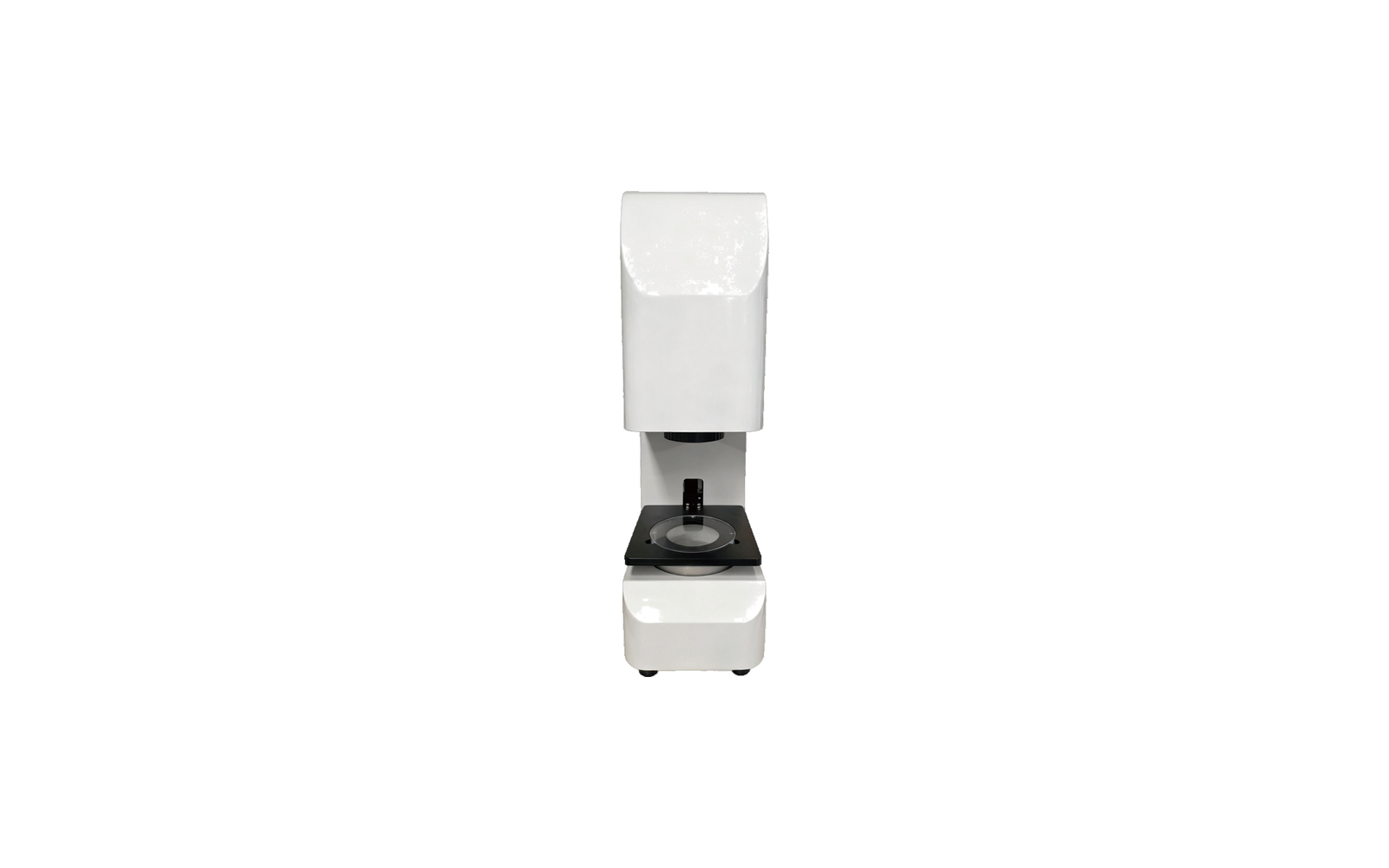
Incoming inspection is the gate before supplier parts enter your line: dimensions, appearance defects and material mix on purchased parts. The classic tool is the one-click measuring machine (/posts/one-click-vision-measuring-machine) for dimensions, plus a small turntable machine for appearance. Catching supplier defects here means your line does not add value to parts that fail incoming.
What Is In-Line (In-Process) Inspection and What It Catches
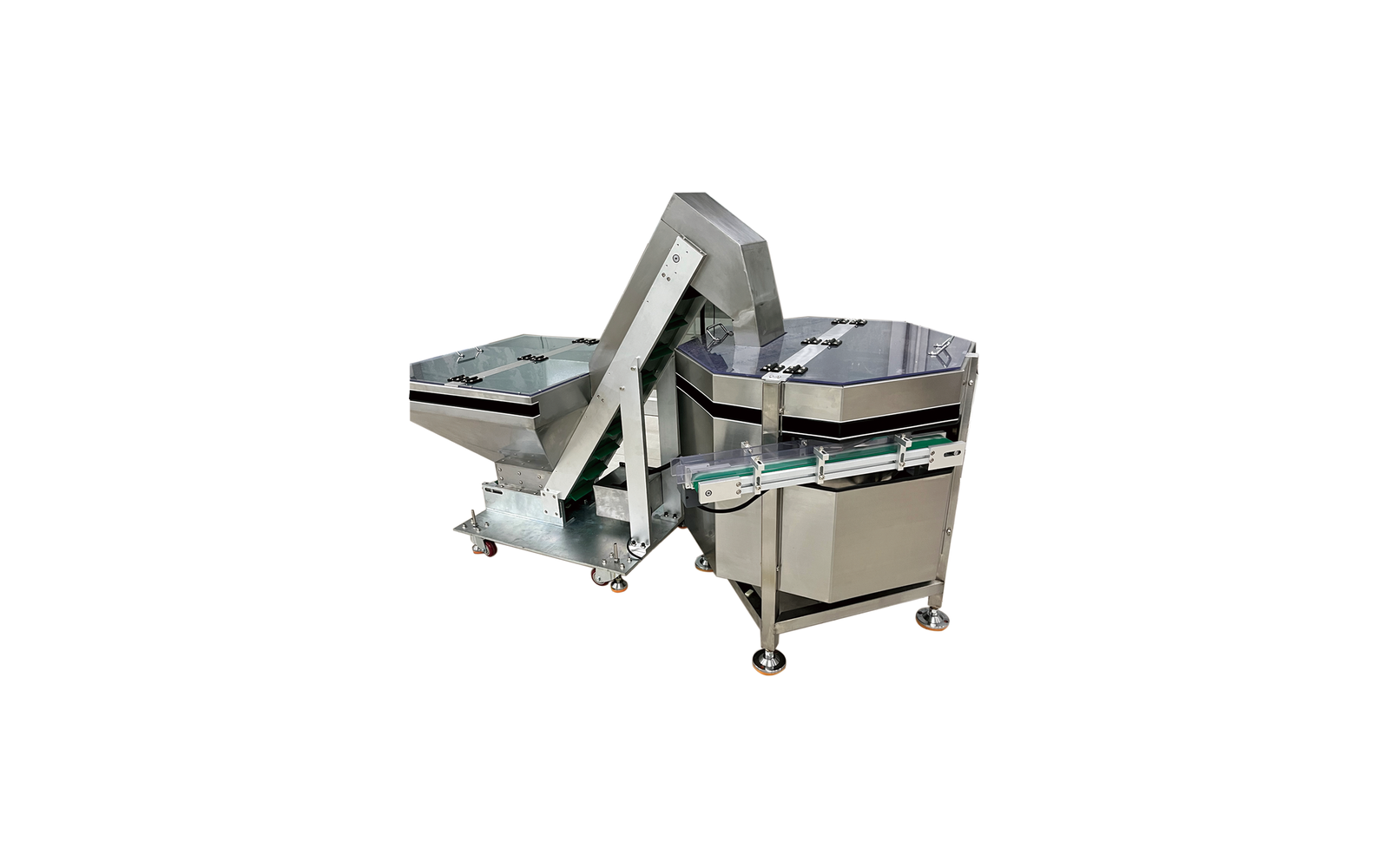
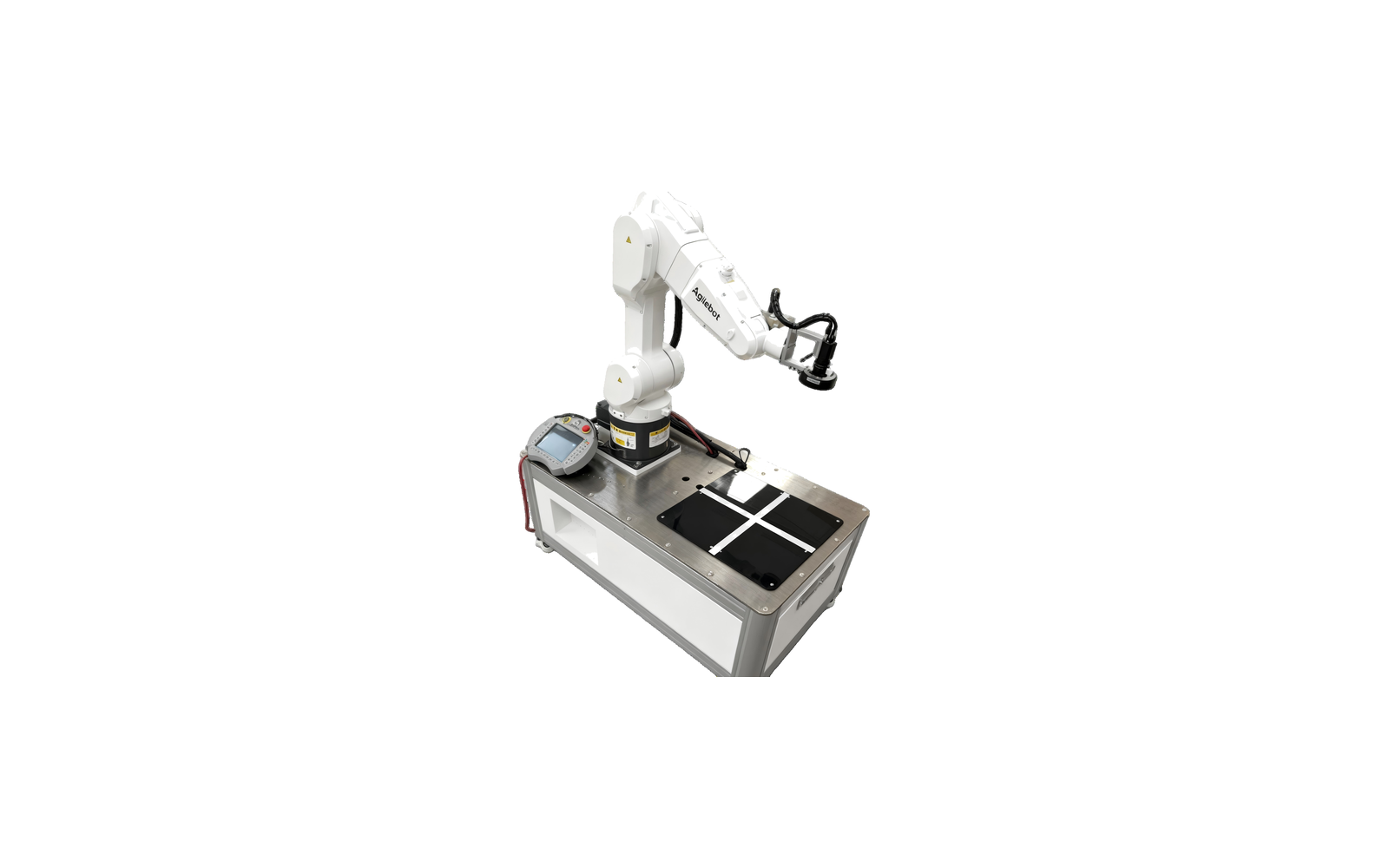
In-line inspection watches your own production: parts pass the camera station at line speed, and rejects are sorted out before the next operation. The machine depends on the part: HZXX-JC01 turntable machines (/posts/hzxx-jc01-single-table-inspection-machine) for discrete parts, wire and tube machines (/posts/wire-tube-cable-surface-inspection-buyers-guide) for continuous products, and the flying camera robot (/posts/flying-camera-robot-buyers-guide) for parts that cannot stop.
What Each Station Costs You If It Misses
A defect missed at incoming inspection is caught later, or never - either way your line has already added labor to a bad part. A defect missed in-line is one step closer to your customer's dock, unless a downstream check catches it. That asymmetry is why many manufacturers run both: incoming inspection for supplier accountability, in-line inspection for the defects your own process creates. For budgeting both, start with vision inspection machine cost: 7 price factors (/posts/vision-inspection-machine-cost-7-price-factors).
How to Decide in Practice
Start from your defect history, not from a machine catalog. A decision checklist:
• Defects found in purchased parts at final inspection? Incoming inspection first.
• Defects created by your own forming or assembly? In-line inspection first.
• Mixed batches or batch weight drift at packing? The counting and weighing machine (/posts/visual-counting-weighing-machine) closes that - when the weight differs.
• Mixed material (same-density wrong alloy) in your parts? A turntable machine with material-mix checks, such as the HZXX-JC01 (/posts/hzxx-jc01-single-table-inspection-machine), is the fit.
• Still defining which defects matter? See how to define OK/NG defect criteria (/posts/defining-defects-ai-visual-inspection).
A Worked Example: Fastener Supplier
A fastener buyer inspects incoming bolts and finds burrs the supplier missed. Adding an incoming inspection station catches those burrs before assembly - but the buyer's own forming process also creates flash. So the sequence is: incoming station first (supplier accountability), then, once the reject data shows in-line flash, an in-line station. A common pattern is to run one station first, measure the reject data, and add the second where the data points.
When Not to Choose Either
If your volumes are low and defects are rare, a single offline station used as both incoming and in-line sampling may be enough. If your process is stable and your supplier is proven, duplicating both stations may add cost without adding catches - confirm with a sample audit of your last 30 days of rejects.
How It Fits Your Production Line
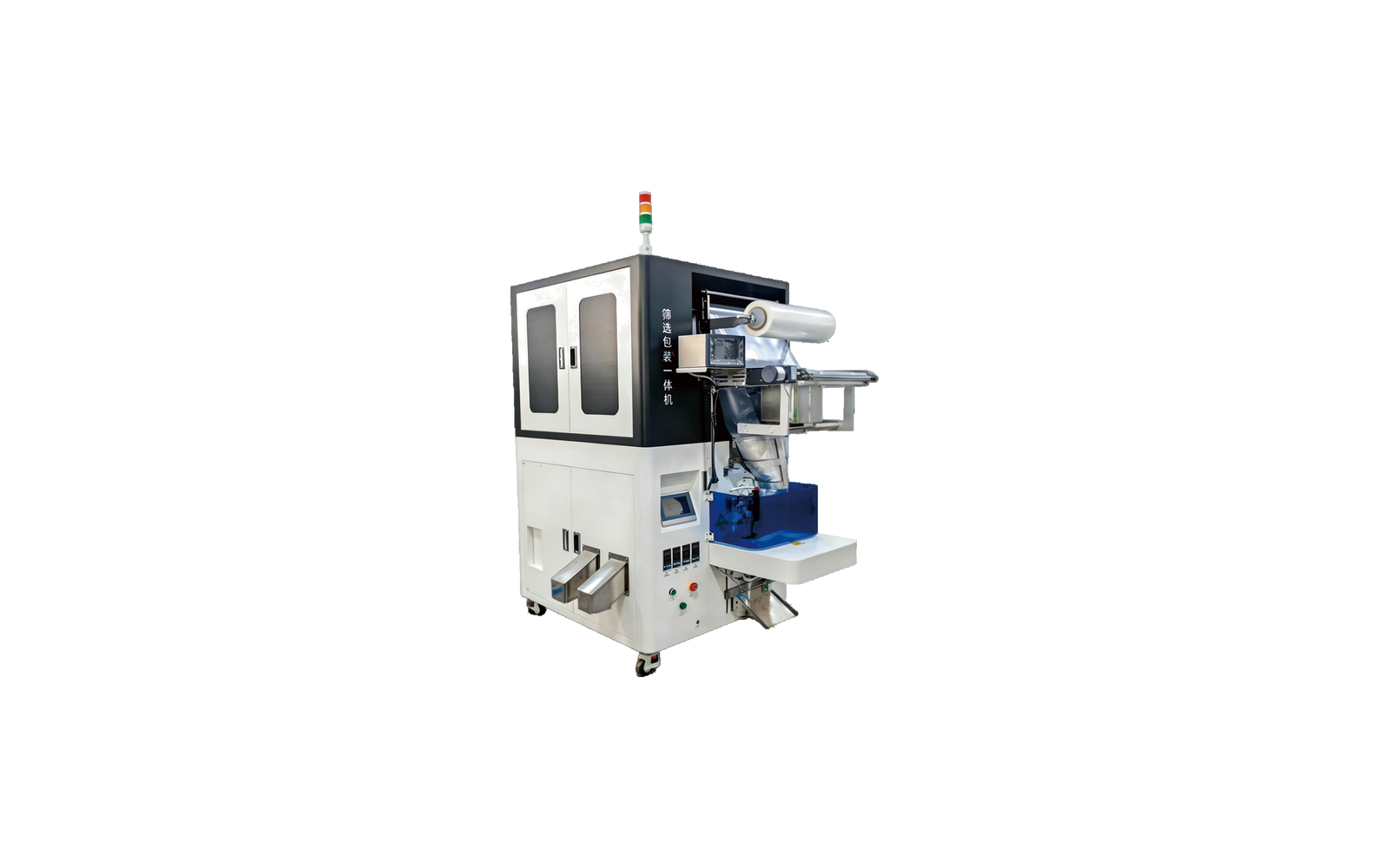
The two stations are not competitors; they are a chain. The integrated inspection and packaging machine (/posts/integrated-inspection-packaging-machine) even merges in-line inspection with batch counting. For internal contamination on incoming food or medical parts, the X-ray machine (/posts/x-ray-foreign-object-detection) is the extra gate worth knowing.
Frequently Asked Questions
What is IQC inspection?
IQC - incoming quality control - is the inspection of purchased parts before they enter production, covering dimensions, appearance and material mix.
Which station should we install first?
Start from your defect history: supplier defects first means incoming inspection; your own process defects first means in-line.
Can one machine serve both stations?
A bench measuring instrument can double as incoming inspection and offline sampling, but it cannot run 100% in-line inspection.
What drives the cost of each station?
Camera count, machine type and feeding drive cost; see the cost guide (/posts/vision-inspection-machine-cost-7-price-factors) for the factors.
How do we know it is working?
Track rejects per station over the first month and compare with your pre-installation defect data.
Next Step
Tell us your defect history and part types. We recommend the first station to install and the machine to start with. Contact the team (/contact-us) - Monica (+86 138 5726 5705) or Arya (+86 173 2430 9735), or email monica@aivisioncheck.com.