Oct 25, 2026Industry Information
Changeover on Vision Inspection Machines: What Multi-SKU Lines Should Ask
Running several part numbers on one inspection machine? What to ask about feeding, recipe setup and per-product customization before you order - and what only a sample test can answer.
The Question Behind "Can It Handle Multiple SKUs?"
A buyer running connectors, seals and hardware on the same line once asked us directly: what is the applicable scope, and how does quick changeover work? Most disappointment with inspection machines does not come from detection accuracy - it comes from a machine that was configured for one part and turns out to be awkward on the second. This article explains what changeover means on a turntable vision inspection machine, what our machine brochure does and does not promise, and the questions that settle whether your part mix fits one machine. The machine's overall flow is covered in how vision inspection machines work (/posts/how-vision-inspection-machines-work); this article stays on the one question: what changes when the part changes.
What Actually Changes on a Vision Inspection Machine
Three things are set up around your part:
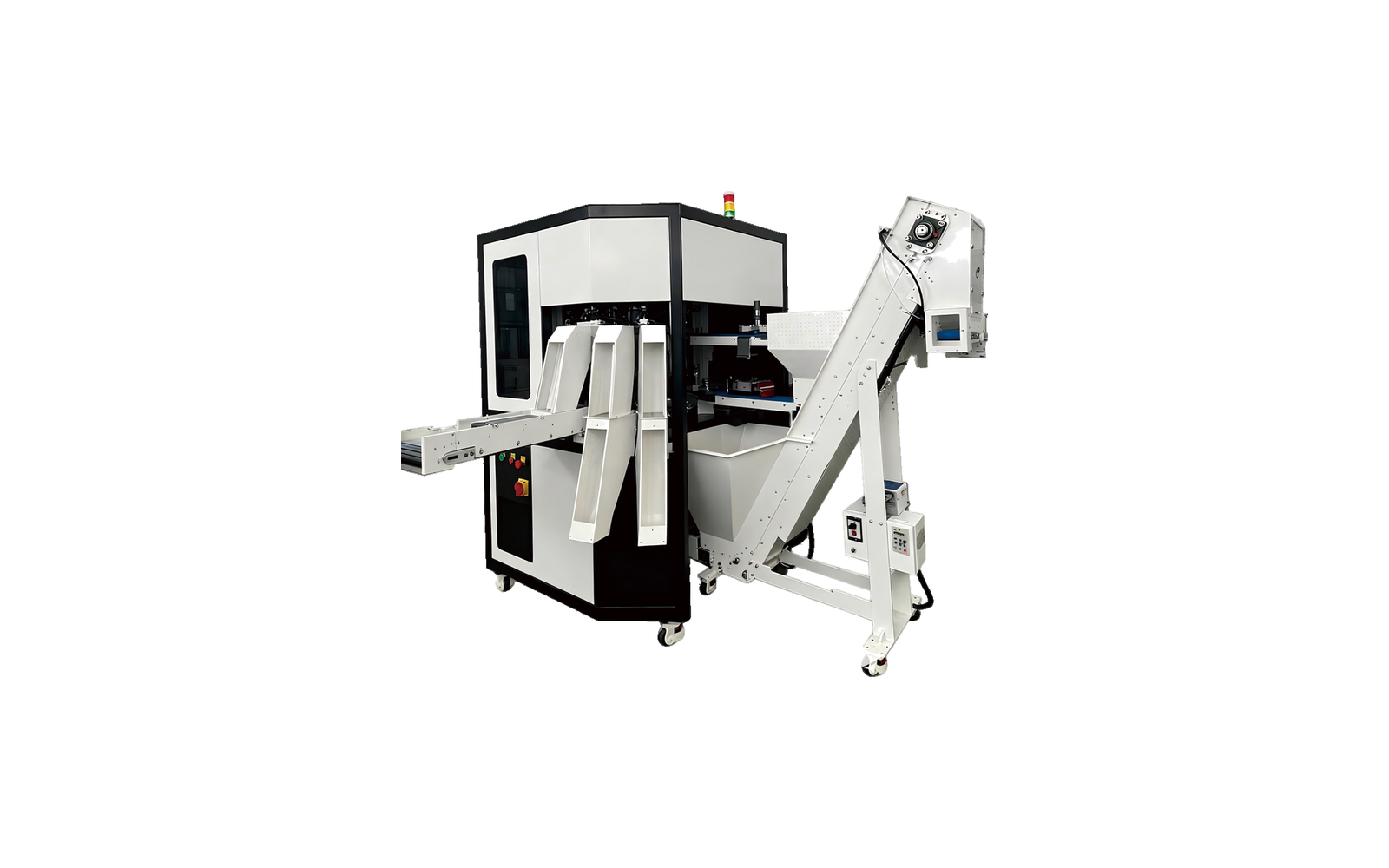
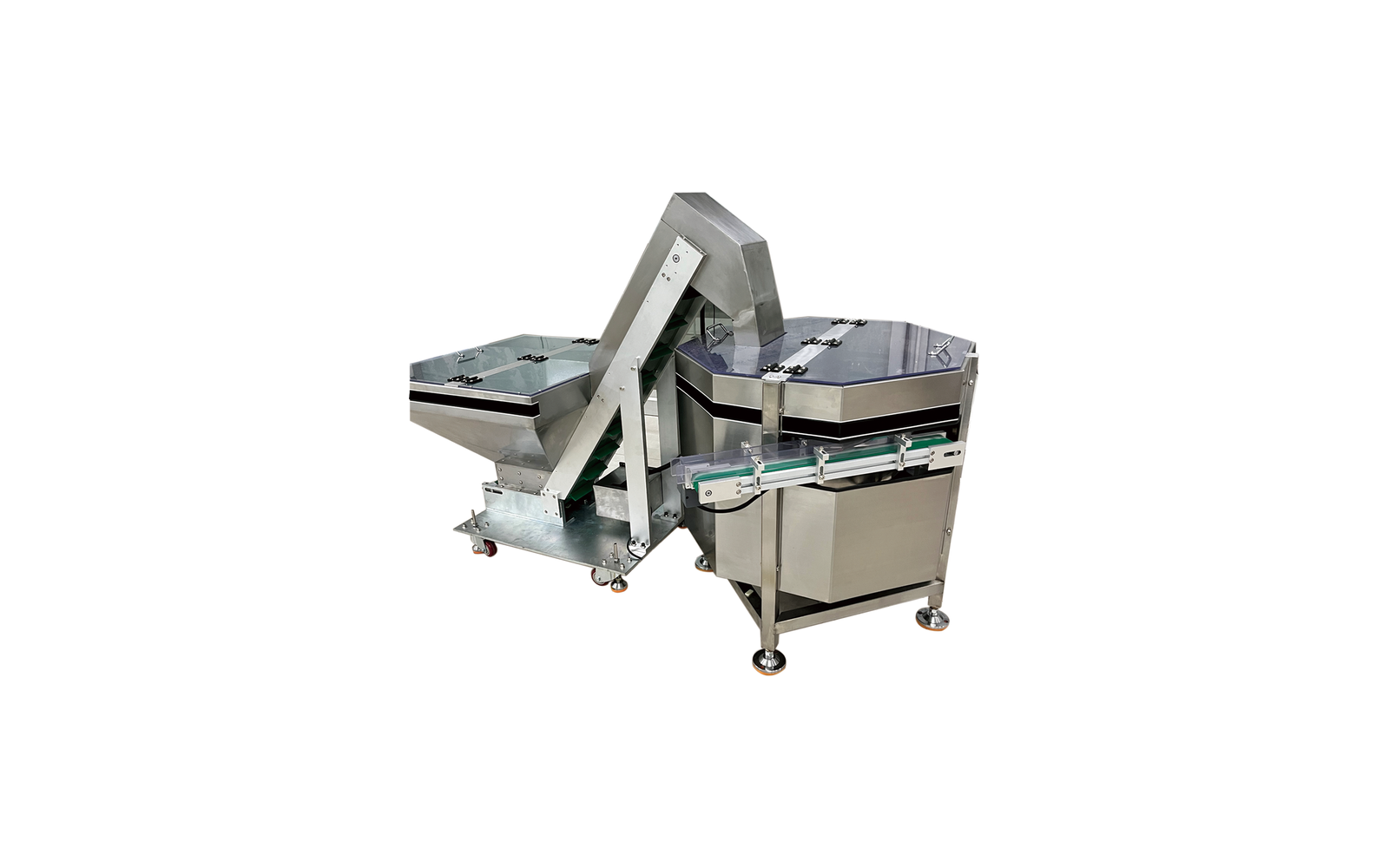
• Feeding: how parts enter the machine. The brochure lists five options on the standard machine - elevator, vibratory bowl, centrifugal feeder, robot arm and push-bar feeder - and the right one depends on part size, shape and how gently it must be handled.
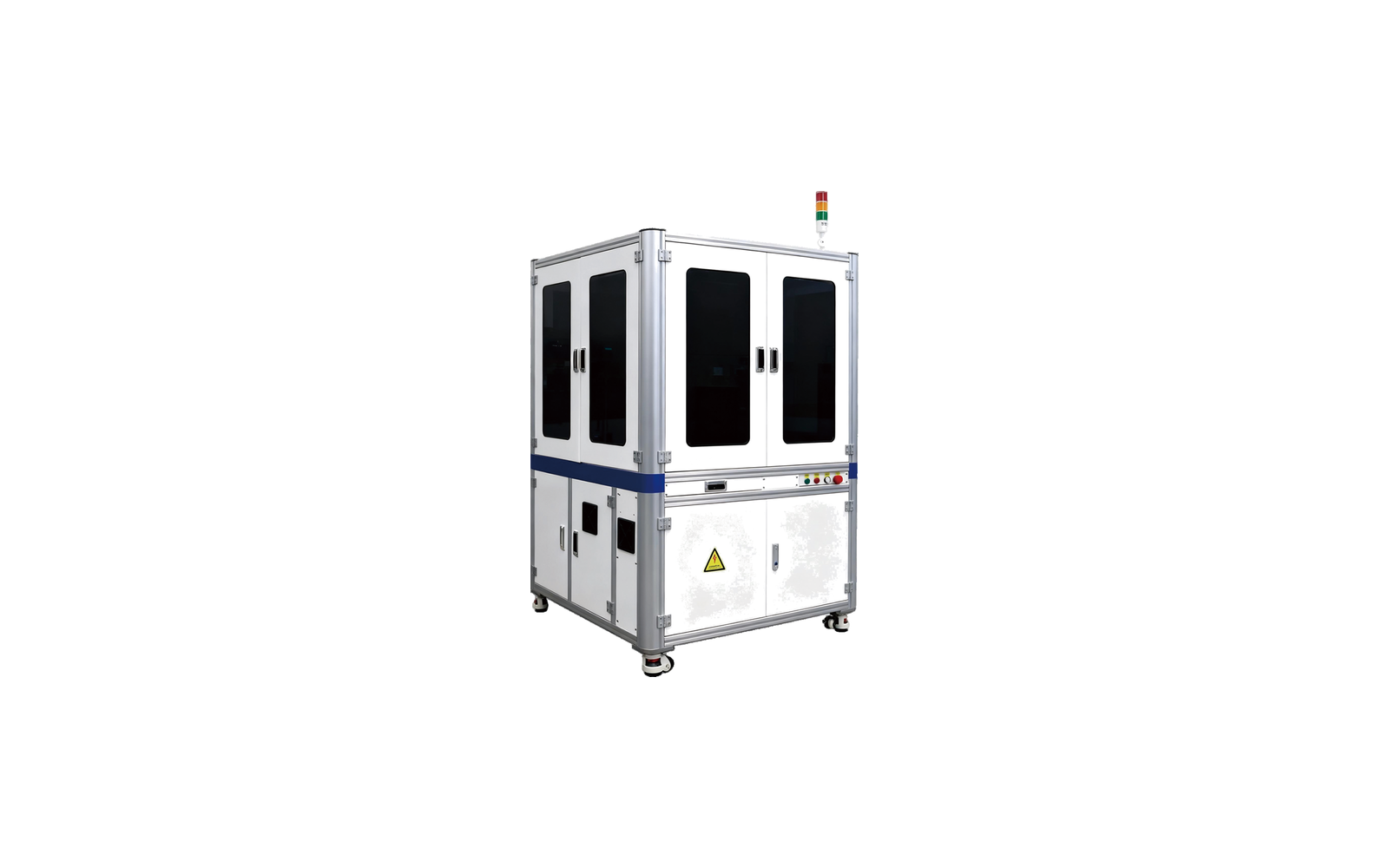
• Inspection configuration: camera count, glass turntable size and the detection setup, which the brochure states is customized to the product and its size range.
• The decision rules: which defects are NG and what dimensions must sit inside tolerance - these follow your defect list and acceptance thresholds, not the machine.
Changeover between two parts means some or all of these are re-set. How much work that is depends on how different the parts are - a question of part families, not a single number.
What the Brochure Does - and Does Not - Promise
The brochure is specific about what is configurable: equipment is customized according to product size, feeding comes in five listed types, and the standard machine's feature list includes minimal parameter setting with stable recognition - the design intent is that day-to-day operation does not require deep programming. What the brochure does not give is a changeover duration figure, and no supplier can honestly quote one out of context: swap time depends on whether the parts share a feeding principle, how far apart their sizes sit, and whether the defect definitions carry over. Treat any fixed "10-minute changeover" promise made without seeing your parts as a flag, not a feature.
The Changeover Question Checklist
Ask these before you order, with your actual part list in hand:
1. Which parts can share one configuration? Give the supplier your full part list, not your biggest-volume part alone. Parts that share a feeding principle and size band may run on one setup; parts far apart may not. 2. What physically changes between part families - feeding, turntable, fixtures, or recipe only? Recipe-only changes are the quick ones; hardware swaps are the ones to plan around. For high-frequency changeovers, some plants duplicate the feeding tooling per family and swap instead of readjusting - ask whether that suits your parts. 3. How is each product's setup stored and recalled? This one we answer with a demonstration, not a description: ask for setup storage and recall to be shown on your parts during the sample test, with the operator steps visible. 4. What does the supplier need to confirm each new part? Normally samples and a defect list per part - the same inputs described in our quote preparation checklist (/posts/vision-inspection-machine-quote-checklist). 5. When does a second machine beat one machine with changeover? If two part families run in parallel all day, changeover stops being a saving - a dedicated second machine, or an inspection-plus-packaging line like the integrated machine (/posts/integrated-inspection-packaging-machine), may be the honest answer.
What Only a Sample Test Answers
For each part in your mix, the sample test - not the brochure - settles the real questions: which feeding method fits this part, whether the detection configuration catches your defect list, and how the machine behaves on your borderline parts. The changeover steps themselves are demonstrated on your parts at the same time. This is why we ask for good, bad and borderline samples per part family. If you have not yet written the defect list the setup will enforce, start with how to define OK/NG defect criteria (/posts/defining-defects-ai-visual-inspection).
Not Every Machine Handles Changeover the Same Way
The line illustrates the range. The HZXX-JC01 standard model (/posts/hzxx-jc01-single-table-inspection-machine) is the general-purpose turntable machine for mixed hardware and plastic parts. The tensile ring machines load manually, with robotic auto-loading available as an option - a different changeover reality, since each large ring is handled individually, and their size bands run from 100 mm to 1000 mm as covered in choosing an O-ring inspection machine by size (/posts/o-ring-inspection-machine-by-size). The point is not which is better: it is that changeover means different work on different machine types, and your part mix decides which type you are actually buying.
Frequently Asked Questions
Can one machine inspect all my part numbers?
Sometimes. Parts that are close in handling and size can often share a configuration; parts far apart may need different setups or different machines. The answer comes from your full part list during the configuration discussion - not from a brochure table.
How long does a changeover take?
It depends on what changes - a saved-setup recall and a feeding hardware swap are different jobs - and the steps are demonstrated on your parts during the sample test. A fixed number quoted without seeing your parts is not reliable.
Can operators run a changeover without programming?
That is the design intent: the standard machine's feature list includes minimal parameter setting, so day-to-day operation does not require deep programming. What a changeover involves for your specific part mix is shown on your samples before you order.
Does adding SKUs cost more?
The configuration follows the product: more part families can mean more feeding tooling, fixtures or setup work, reflected in the quotation per configuration. What drives price generally is covered in vision inspection machine cost: 7 price factors (/posts/vision-inspection-machine-cost-7-price-factors).
What should I send to get a changeover assessment?
Your full part list with sizes, photos or drawings, the defect list per part, and which parts run in parallel versus in sequence. Drawings can be sent under NDA - state the requirement in your first message and it is confirmed before anything moves.
Next Step
Send your part list - all the SKUs, with sizes and defects - and we will tell you which parts share a configuration, what changes between families, and what the sample test should cover for each. Contact the team (/contact-us) - Monica (+86 138 5726 5705) or Arya (+86 173 2430 9735), or email monica@aivisioncheck.com.