Oct 23, 2026Industry Information
What to Prepare Before Requesting a Vision Inspection Machine Quote
A quote-ready inquiry for a vision inspection machine: part details, defect list, acceptance criteria, samples and line context - what to send and what happens next.
Why a Vague Inquiry Gets a Vague Quote
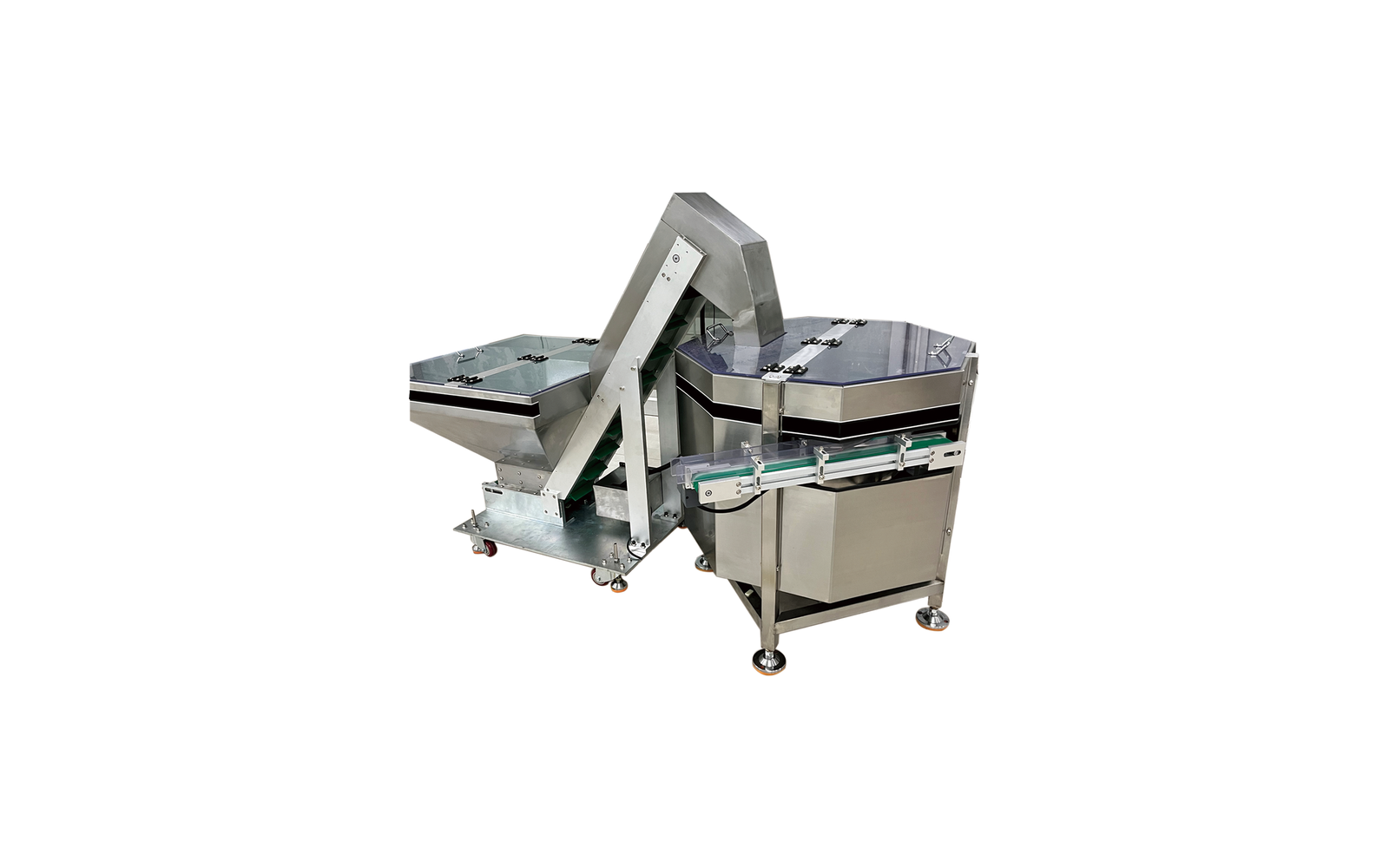
"Please send me a price for a vision inspection machine" is the inquiry suppliers cannot answer precisely. The brochure states that equipment is customized to the product; on this site, the configuration is confirmed at quotation - cameras, turntable size and customization all follow from your part, your defects and your quality standard. The buyers who get useful quotes first are the ones who send usable information. Here is what to prepare, why each item matters, and what happens after you send it.
1. Part Details: What the Machine Must Hold
Start with the part itself, because the configuration starts there:
• Part type and material: O-ring, washer, nut, plastic part, food product - each points to a different machine in the line (turntable, compression, tensile, food-grade).
• Size range: outer diameter and thickness, smallest to largest. The brochure's machines cover defined bands, and the equipment is customized to product size within them - see how the bands map in choosing an O-ring inspection machine by size (/posts/o-ring-inspection-machine-by-size).
• Drawings and tolerances: if you need dimensional checks (ID, OD, cross-section), include your dimension tolerances - the engineer needs them to set the judgment windows.
• Photos of the part, if samples are not ready: even rough photos let the engineer sanity-check the fit before quoting.
2. Defect List: What "NG" Means for You
The inspection is only as good as the defect definition. List the defects you must catch - surface defects like scratches, burrs, cracks and contamination, or dimensional checks. If you have physical examples of each defect type, mark them; defective samples are the most useful thing you can send, because the detection model is configured against your actual defects. If you have not written the list yet, start with how to define OK/NG defect criteria (/posts/defining-defects-ai-visual-inspection).
3. Acceptance Thresholds: Where "Good Enough" Sits
Two parts can both be "defective" and still need different handling - a scratch that is cosmetic in your market and one that fails your customer's audit are different NG rules. State your acceptance thresholds: which defects are automatic NG, which are tolerable, and what escape rate you can live with. A clear sentence per defect type is enough for the engineer to configure - and to check the machine against your standard during the sample run.
4. Samples: Good, Bad and Borderline
The process is a sample test: you send samples, the factory runs them and returns the inspection images and the decision log. Prepare three kinds: good parts the machine must accept, the worst defective parts it must reject, and borderline parts sitting between - the borderline ones are what your acceptance thresholds turn into practice. Sample quantity and logistics are discussed when you inquire and confirmed with the sales team.
5. Production Context: Where the Machine Will Sit
Three context facts change the configuration:
• Batch flow: a machine verifying incoming batches is configured differently from one sitting in-line next to a press. If you are unsure which station you need, incoming inspection vs in-line inspection (/posts/incoming-inspection-vs-inline-inspection) explains the trade-off.
• Site requirements: state any requirements on voltage and frequency, compressed air, HMI language and export certification - these are part of the configuration.
• Part mix: if the line runs several part sizes or types, say so - the brochure lists customized ranges per model.
6. Throughput Target: Your Rate, Not the Brochure Maximum
State the rate you need in pcs/min at your part size. The brochure's machine rates are ranges that depend on part size and camera count, so your target - not the brochure maximum - is what gets engineered.
Questions to Ask With Your Inquiry
A quote-ready inquiry also asks its own questions. Worth asking explicitly:
• Is the sample test charged, and who covers shipping each way?
• Are samples returned, and how are they handled?
• How long does the sample test and the quotation take?
• What are the payment terms, lead time, warranty, installation and training arrangements, and spare-parts support?
• Which export documents are provided?
None of these have a one-size answer - they are confirmed per project - but asking them in your first message saves weeks of back-and-forth.
What Happens After You Send It
Your part details and defect list go to an engineer; the sample test runs on your parts; you receive the inspection images and the decision log; the quotation follows the confirmed configuration - cameras, turntable size and customization. For the steps after ordering, buying an inspection machine from China: what to expect (/posts/buying-inspection-machine-from-china-what-to-expect) covers production, packing and shipping.
The Vision Inspection Machine Quote Checklist at a Glance
1. Part details: type, material, size range, drawings and tolerances. 2. Defect list: what NG means for you, with marked examples if possible. 3. Acceptance thresholds: automatic NG, tolerable, escape rate. 4. Samples: good, bad and borderline. 5. Production context: batch flow, site requirements, part mix. 6. Throughput target: your pcs/min at your part size.
Frequently Asked Questions
What information do I need for a vision inspection machine quote?
The six items above - part details, defect list, acceptance thresholds, samples, production context and throughput target. Items 1-3 are the core: send those and the configuration discussion can start, with samples following once the direction is confirmed.
Can I get a rough price before the sample test?
Pricing follows the confirmed configuration - cameras, turntable size and customization - and is confirmed at quotation. What you can get before the sample test is a configuration discussion: which machine in the line fits your part, and which factors will drive the price, as explained in vision inspection machine cost: 7 price factors (/posts/vision-inspection-machine-cost-7-price-factors).
What if my defect list changes later?
Say so before the sample test. The detection configuration is built against the defects you define; changing them after quotation means re-confirming the configuration.
Can I ask for an NDA before sending samples?
State any NDA or sample-handling requirements in your first message - they are confirmed with you before the sample test.
Next Step
Start with items 1-3 - part details, defect list and acceptance thresholds - and send them with your inquiry; samples can follow once the configuration direction is confirmed. Contact the team (/contact-us) - Monica (+86 138 5726 5705) or Arya (+86 173 2430 9735), or email monica@aivisioncheck.com.